Home / Science / Lichen: The Unsung Heroes of Pollution Monitoring
Lichen: The Unsung Heroes of Pollution Monitoring
12 Feb
Summary
- Lichens partner algae or bacteria to form unique fungal organisms.
- Certain lichen species indicate air quality by absorbing atmospheric pollutants.
- A new app allows users to record lichen for local air quality mapping.
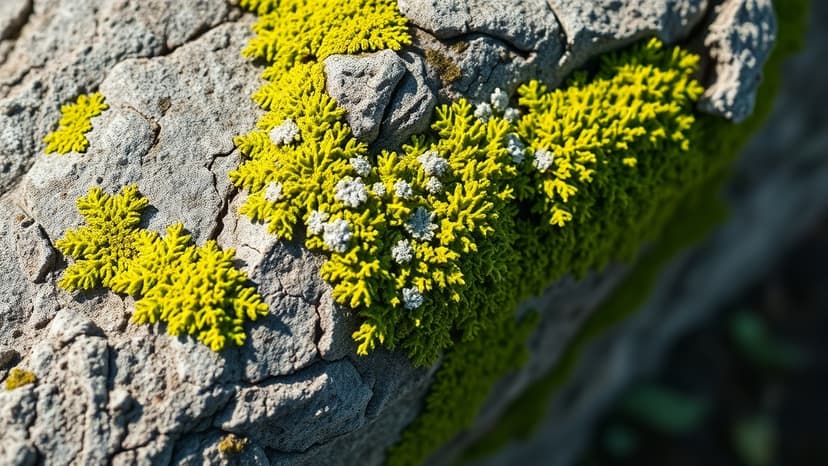
Lichens, formed by a symbiotic relationship between fungi and algae or bacteria, are proving to be invaluable indicators of environmental health. These unique organisms absorb their surroundings, making them sensitive to air quality.
Researchers have identified specific lichen species that thrive or struggle based on pollution levels, particularly nitrogen. For instance, the sunburst lichen, a bright yellow variety, indicates tolerance to nitrogen pollution and is often found near busy roads.
To harness this natural monitoring capability, scientists at the UK Centre for Ecology and Hydrology have developed a mobile application. This app allows citizen scientists and researchers to record observations of indicator lichens found on oak or birch trees.
The collected data contributes to a Nitrogen Air Quality Index (NAQI), providing a localized map of air pollution. This information will be cross-referenced with traditional monitoring station data to validate its accuracy.
This innovative approach turns common lichen into powerful tools for environmental assessment, highlighting nature's often-overlooked contributions to scientific understanding.


