Home / Science / Earth's Deepest Secret: Lake Baikal's Mysteries
Earth's Deepest Secret: Lake Baikal's Mysteries
10 Jul
Summary
- Lake Baikal is Earth's deepest lake, reaching about 1,700 meters.
- It holds 20% of the world's unfrozen freshwater reserves.
- The lake's ancient isolation fostered unique species found nowhere else.
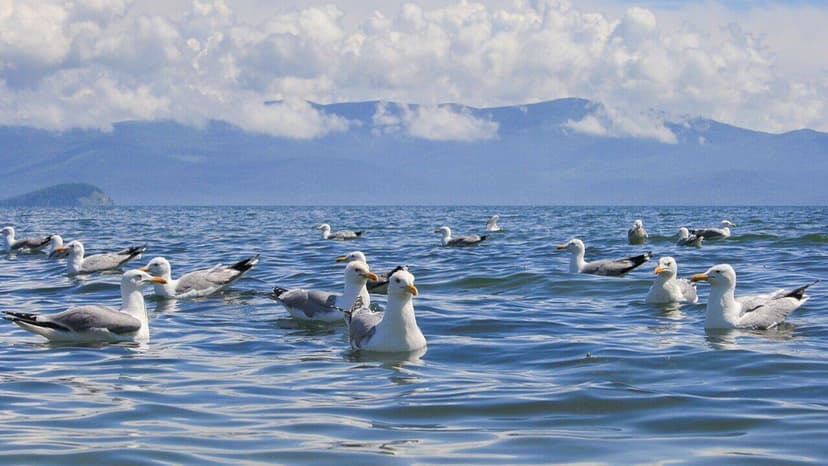
Lake Baikal in Siberia is recognized as the deepest lake on Earth, plunging to a maximum depth of about 1,700 meters. This vast freshwater body, covering 3.15 million hectares, is also one of the largest globally. Its remarkable age, estimated at 25 million years, sets it apart from most lakes, which have been shaped by more recent geological events.
Baikal's significance extends to its immense volume of freshwater. It holds approximately 20 percent of the world's unfrozen freshwater, a concentration attributed to its depth, size, and geological structure. Fed by over 300 rivers and drained by only one, the Angara River, its scale is unparalleled.
The lake's long period of isolation has cultivated a unique evolutionary environment. Thousands of species of plants and animals inhabit the Baikal ecosystem, with many found exclusively within its waters. This high level of endemism, exemplified by the Baikal seal, makes it a crucial location for studying biodiversity and adaptation.
Beyond its numerical records, Lake Baikal is valued for its geological importance, ecological processes, and biodiversity. The surrounding protected forests and mountains contribute to its ecological system, supporting numerous species. International attention has been drawn to the challenges of protecting this immense natural resource from pollution and environmental pressures.


