Home / Science / Ladakh's Ancient Past: 130 Million Years of Hidden History
Ladakh's Ancient Past: 130 Million Years of Hidden History
18 Mar
Summary
- Ladakh's 130-million-year geological evolution before the Himalayas emerged.
- Ancient volcanic arc formed from sinking crust above a prehistoric ocean.
- Rock analysis reveals three distinct stages of Ladakh's formation.
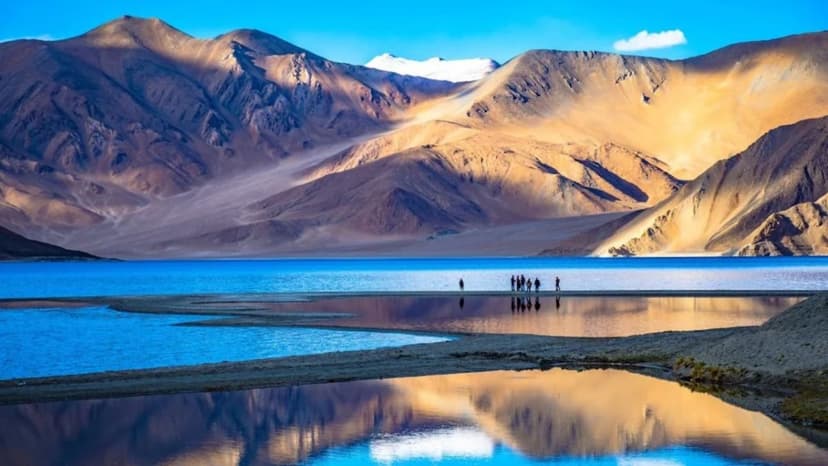
A detailed 130-million-year history of Ladakh's geological evolution has been uncovered, predating the rise of the Himalayas. Researchers studied the extinct Ladakh Magmatic Arc, a once-active zone of immense molten rock formation.
Ladakh, now a high-altitude desert, once lay above the ancient Neo-Tethys ocean. As parts of Earth's crust sank, intense heat and melting formed volcano-like systems. This process built the region over millennia, transitioning through distinct stages.
Analysis of rock composition revealed this evolution. Initially, volcanic islands emerged from the ocean, with deep Earth material being predominant. Later stages saw increased mixing of crustal material and granite formation as tectonic plates moved closer.
The final stage occurred after the Indian and Eurasian landmasses collided. This event closed the ancient ocean and initiated the formation of the Himalayas, with residual molten rock still pushing through the crust, leaving behind visible dark rock formations.