
Home / Science / Jesuit Priests Uncover Kodaikanal's Ancient Dolmens, Preserving Vital History
Jesuit Priests Uncover Kodaikanal's Ancient Dolmens, Preserving Vital History
26 Sep, 2025
Summary
- Jesuit priests surveyed Kodaikanal's dolmens in the early 1900s
- Dolmens date back over 5,000 years, revealing ancient inhabitants
- Destruction of dolmens continues, with less than 50% remaining today
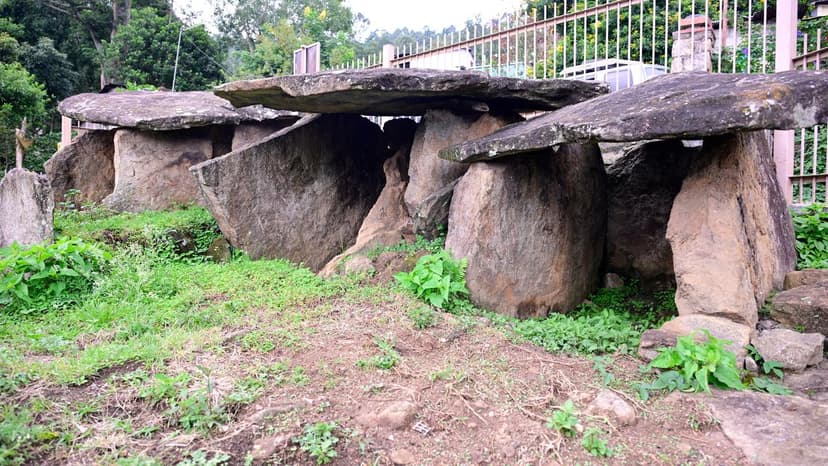
Over a century ago, in the early 1910s, Jesuit priests were at the forefront of uncovering Kodaikanal's ancient history. As the road to the hill station was being constructed, Father A. Anglade and Father L.V. Newton embarked on a mission to survey the region's dolmens – megalithic structures dating back over 5,000 years.
Working alongside the local Paliyar tribes, the Jesuit Fathers documented these remarkable archaeological sites, which were under threat of destruction from the ongoing road-building. Their findings, published in 1928, provided the first comprehensive record of Kodaikanal's dolmens, shedding light on the area's long-forgotten past.
The Jesuit Fathers' work revealed that these dolmens were built using natural rock slabs, with a distinctive design that channeled rainwater away from the chambers. Their research also suggested that the dolmens were part of an extensive trade network that connected the region to the wider Tamil Nadu hinterland centuries ago.
Unfortunately, the Jesuit Fathers' warnings about the ongoing destruction of the dolmens have proven prophetic. Today, less than 50% of the sites they documented can still be seen in the Kodaikanal hills, as the relentless march of development continues to erode this irreplaceable heritage. Efforts are underway to preserve the remaining dolmens, but the race against time grows ever more urgent.
The work of Father Anglade and Father Newton stands as a testament to the vital role these Jesuit priests played in uncovering and preserving a crucial chapter of Tamil Nadu's ancient history. Their legacy serves as a reminder of the importance of safeguarding Kodaikanal's unique cultural treasures for generations to come.
