Home / Science / Insects Talk: Unveiling Nature's Secret Languages
Insects Talk: Unveiling Nature's Secret Languages
13 Aug
Summary
- Spiders adjust web vibrations like guitar strings to 'hear' and identify creatures.
- Invertebrates use complex chemical scents, called pheromones, for communication.
- Mimicry is a common tactic, with insects impersonating other species for survival.
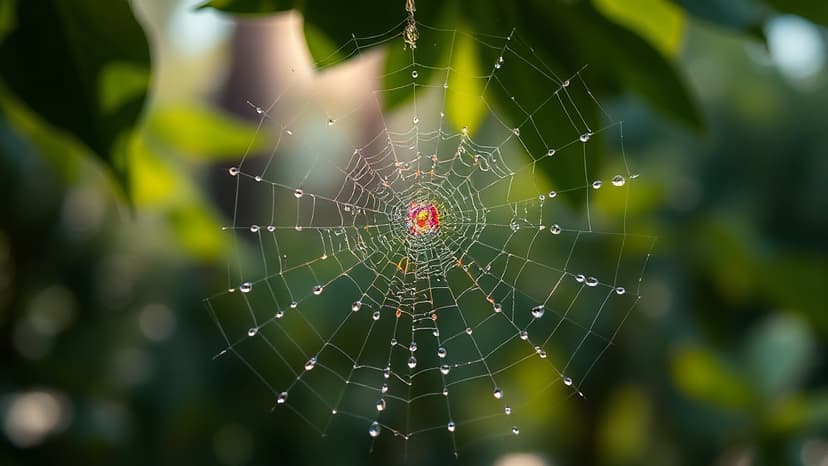
A vast array of daily conversations occurs in languages imperceptible to humans, primarily among invertebrates. Spiders, for instance, skillfully tune their webs using leg sensors to interpret vibrations, distinguishing between potential mates, prey, or predators. This complex acoustic adjustment of their silken structures is key to their survival and interactions.
Many invertebrates rely on intricate chemical signals known as pheromones to communicate. Moths release perfumes to attract mates, while ants use scent trails to guide nestmates to food. Some species, like burying beetles, also employ touch and chemical cues for cooperative childcare, tending to their young within specialized environments.
Deception through mimicry is another prevalent communication tool. The hoverfly imitates wasps' warning colors to deter predators. More remarkably, some spiders and moths mimic ants in appearance, smell, and movement to infiltrate ant nests for sustenance and protection. Even caterpillars can deceive ants by mimicking their larval scents.
Communication extends beyond invertebrate-to-invertebrate interactions. Trees use visual cues, chemicals, and electrical signals to guide bees for pollination. Some plants even enlist predatory insects to defend against attackers. The relationship between fig trees and fig wasps is particularly symbiotic, with unique perfumes guiding specific wasp species for pollination and reproduction within the fig's protective structure.
These intricate relationships and communication methods have evolved over millions of years, contributing to ecological balance and survival. While much communication fosters cooperation, a significant portion involves competition for resources, mates, and territory, as well as predator deterrence. Scientists continue to uncover the details of these vital dialogues, emphasizing the serious consequences of human interference through habitat destruction or climate change. The sophisticated communication strategies of invertebrates offer a profound perspective on the complexity of life's interactions.


