

Home / Science / India's Nuclear Leap: Fast Reactor Achieves Criticality
India's Nuclear Leap: Fast Reactor Achieves Criticality
23 Apr
Summary
- India's new fast-breeder reactor uses spent fuel to generate power.
- This reactor is key to India's long-term energy independence plan.
- The project overcomes decades of challenges and delays.
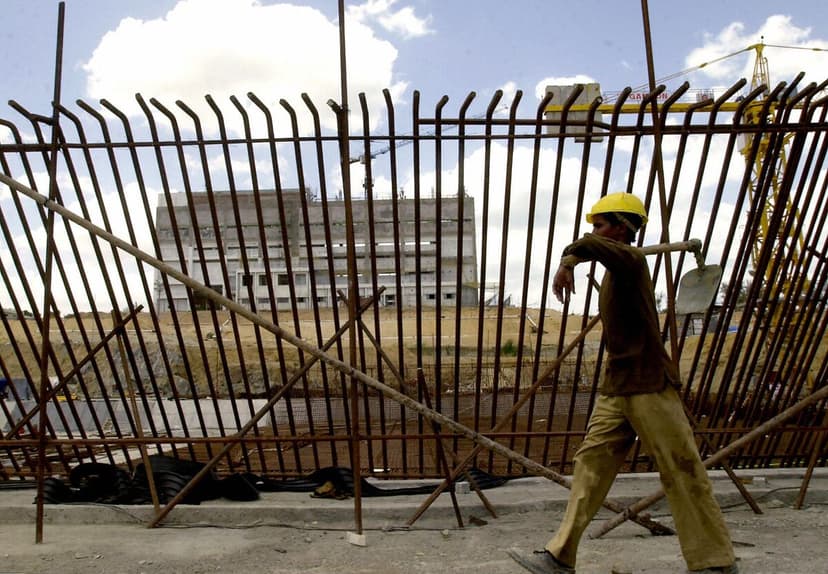
India's ambitious, long-term energy plan has taken a significant stride forward as its indigenously designed fast-breeder nuclear reactor in Kalpakkam has achieved criticality. This marks a momentous achievement for the nation's nuclear program, which aims for complete energy independence by harnessing its vast thorium reserves.
The fast-breeder reactor represents a complex and rare technology, capable of utilizing plutonium extracted from regular reactors' spent fuel to generate electricity while simultaneously producing more fissile material. This capability is crucial for a resource-starved nation seeking sustainable energy solutions.
This development is part of a multi-generational strategy conceived decades ago, notably by physicist Homi Bhabha. The initial phase involved building uranium-fueled reactors, with subsequent stages focusing on fast-breeder reactors and finally, thorium-based reactors to ensure centuries of power.
Despite facing historical setbacks, including the loss of key figures, international sanctions after nuclear tests, and project delays exacerbated by natural disasters like the 2004 tsunami, dedicated engineers have brought the second stage to fruition. The successful operation of this reactor, however, hinges on overcoming the significant technical challenges associated with managing liquid sodium coolant and ensuring long-term safety and maintenance.
While the criticality of this reactor is a symbolic and technical triumph, particularly timely amid global energy supply concerns, the true test lies ahead. Maintaining such advanced facilities requires expanding specialized expertise and robust, independent regulation, a challenge even for nations with extensive nuclear experience. This achievement underscores India's persistent pursuit of energy self-sufficiency.
