Home / Science / Ice Age Women Wove More Than Myth
Ice Age Women Wove More Than Myth
16 Aug
Summary
- Soffer argued women crafted textiles and baskets 30,000 years ago.
- Evidence found in 40,000-year-old clay fragments with woven impressions.
- Her work challenges male-dominated views of prehistoric societies.
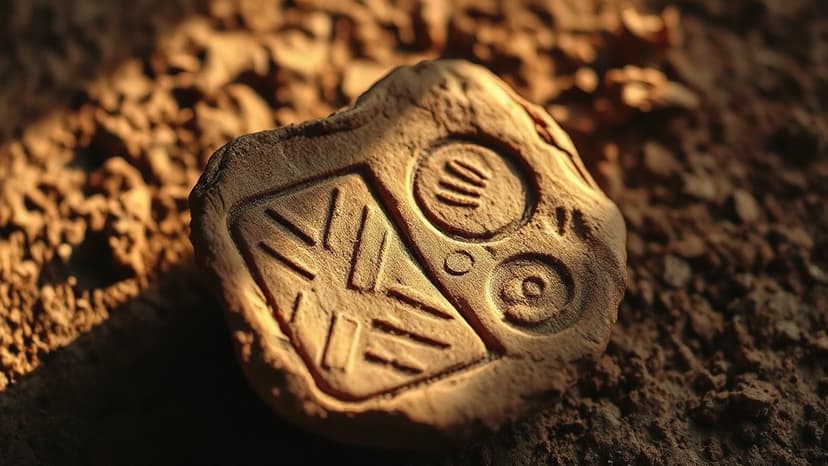
Olga Soffer, a pioneering anthropology professor, reshaped our understanding of Ice Age communities by asserting the significance of women's contributions. Her research, inspired by excavations in the former USSR and Moravia, proposed that women were the primary makers of vital crafts like textiles, baskets, and nets approximately 30,000 years ago. This perspective was revolutionary, challenging the prevailing male-dominated narratives of prehistoric life.
Soffer's insights stemmed from examining ancient clay fragments, some dating back 40,000 years, which bore impressions of woven threads. Collaborating with archaeologist James Adovasio, she identified evidence of cordage, basketry, and textiles, suggesting sophisticated ancient tailoring and craftwork. This discovery implied that women played a far more active and inventive role in survival and daily life than previously acknowledged.
Her academic journey was as remarkable as her discoveries. Soffer earned her three degrees over three decades while working in retail. She meticulously analyzed finds from key sites in Ukraine, Russia, and Czechia, often questioning traditional interpretations. Her seminal book, 'The Invisible Sex: Uncovering the True Roles of Women in Prehistory,' co-authored with Adovasio and Jake Page, further detailed her findings, aiming to correct perceived male biases in archaeological narratives.
Soffer's research highlighted the overlooked details on female figurines, such as headgear and clothing, which she interpreted as evidence of complex textile use. She drew parallels between Paleolithic tailoring and modern fashion, emphasizing the artistic and functional sophistication of these ancient crafts. Her work has urged a broader reconsideration of how little remains from the ancient past and how much that survives might be misleading.


