Home / Science / Invisible Flames: Sodium Hides Hydrogen Burners
Invisible Flames: Sodium Hides Hydrogen Burners
19 Nov
Summary
- Sodium particles in the air cause dramatic changes in hydrogen flame visibility.
- Sea salt transported inland by wind is a significant source of sodium.
- Flame visibility varies greatly, requiring new detection methods for appliances.
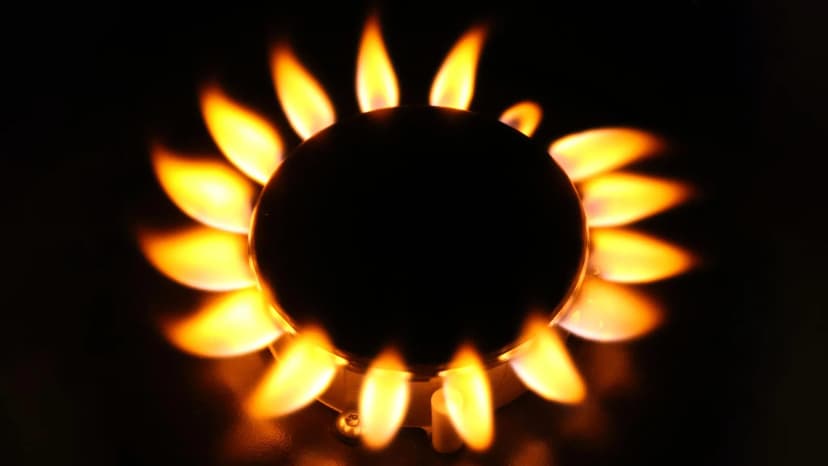
Researchers at Adelaide University have uncovered a surprising reason for the inconsistent visibility of hydrogen flames: atmospheric sodium. The concentration of sodium particles, often carried inland by sea salt from ocean winds, directly impacts the flame's color and brightness. When sodium levels are high, flames glow orange; when low, they become exceptionally difficult to see, even with identical burner settings.
This finding is critical for the future of hydrogen-powered appliances like stoves and ovens. Because flame color can be unreliable, engineers need to implement alternative detection systems, such as ultraviolet or infrared sensors, to ensure safe operation. These advancements are vital for increasing consumer confidence in hydrogen as a cleaner alternative to natural gas.
The study, published in Next Energy, combined lab experiments with outdoor testing. It revealed that the light signal from hydrogen flames varied more than 28 times under consistent burner conditions, largely due to fluctuating sodium levels influenced by weather patterns.
Furthermore, hydrogen flames emit less visible light on average compared to natural gas flames. This inherent difference, coupled with the sodium effect, makes visual flame checks a potentially unreliable safety measure. Developing robust, non-visual detection systems is therefore paramount for widespread hydrogen adoption in homes.


