

Home / Science / Ancient DNA Reveals 10,000 Years of Human Change
Ancient DNA Reveals 10,000 Years of Human Change
15 Apr
Summary
- Study analyzed 15,836 ancient human remains.
- Identified 479 genetic variants favored by selection.
- Celiac disease risk factor emerged around 4,000 years ago.
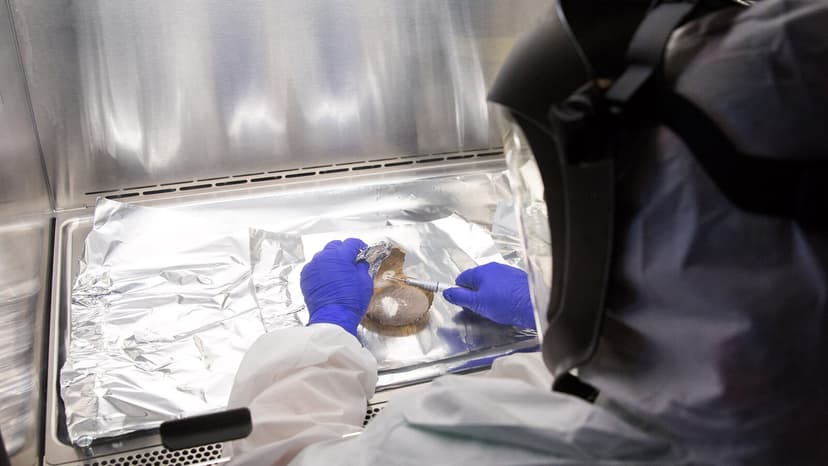
New research suggests that human evolution has not stagnated in the past 10,000 years, challenging prior scientific consensus. A comprehensive analysis of 15,836 ancient human remains has uncovered 479 genetic variants that appear to have been favored by natural selection.
This groundbreaking study, published in Nature, indicates that thousands more genetic variants may have also experienced evolutionary pressure. For instance, a mutation linked to celiac disease, which affects an estimated 80 million people worldwide, emerged approximately 4,000 years ago. Scientists posit its rise is due to natural selection, even with its associated health risks.
Further findings reveal puzzling trends, such as the decrease of genetic variants associated with smoking habits in Europe over the last 10,000 years. Researchers are still exploring the specific environmental or societal factors driving these recent evolutionary shifts. The study's scale and implications are generating significant discussion among evolutionary biologists.
This extensive analysis builds upon earlier work, including a 2015 study that identified only a dozen such variants. The expanded dataset and refined analytical methods allowed researchers to identify a far greater number of recent evolutionary changes, painting a more dynamic picture of human adaptation.
