Home / Science / Mice Get Human Brain Cells: New Hope for Disease Research
Mice Get Human Brain Cells: New Hope for Disease Research
7 Nov
Summary
- Human neurons were implanted into mice lacking significant brain regions.
- Implanted human tissue grew, connected to blood supply, aiding cognition.
- The experiment raises ethical questions about consciousness and future research.
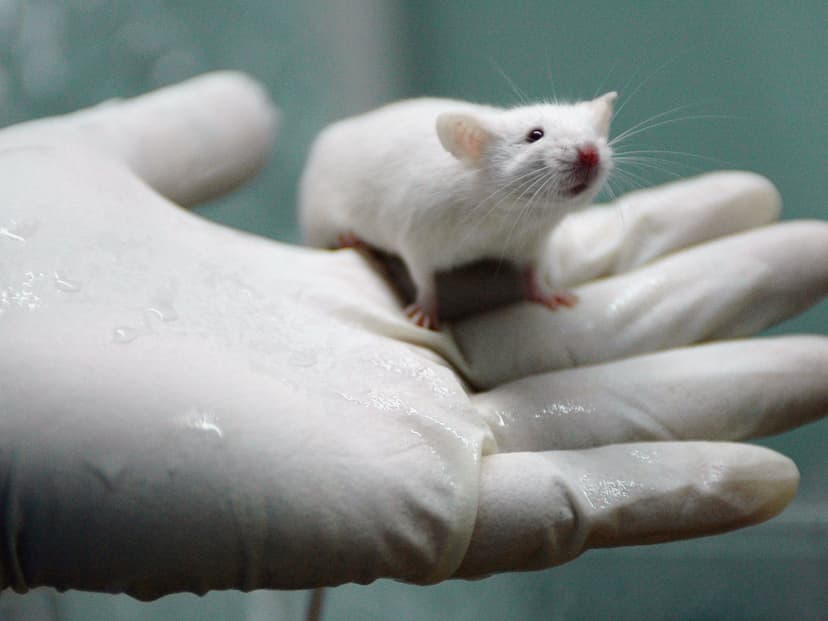
In a groundbreaking study, scientists have implanted lab-grown human neurons into mice, creating "alien-cortical mice." These mice were genetically modified to lack critical brain regions, including the cerebral cortex. Researchers injected human organoids, miniature cell masses mimicking organs, into the developing mice brains.
Within three months, the human tissue integrated, growing significantly and connecting to the mouse's blood supply. Notably, the "alien cortex" mice performed better in maze tests, suggesting the human cells contributed to cognitive function. The experiment also demonstrated the potential to model conditions like cerebral palsy in rodents.
This research aims to provide unprecedented insights into human brain diseases, which are notoriously difficult to study. By creating these neurohybrid models, scientists hope to better understand disorders such as schizophrenia, cerebral palsy, and dementia. However, the advancement also sparks ethical discussions regarding consciousness and the future direction of cross-species research.


