

Home / Science / Flowers: Earth's Hidden Revolutionaries
Flowers: Earth's Hidden Revolutionaries
3 Apr
Summary
- Flowers appeared 200 million years ago, sparking animal evolution.
- Floral abundance drove the evolution of bees and butterflies.
- Grasses, a type of flowering plant, provide essential calories.
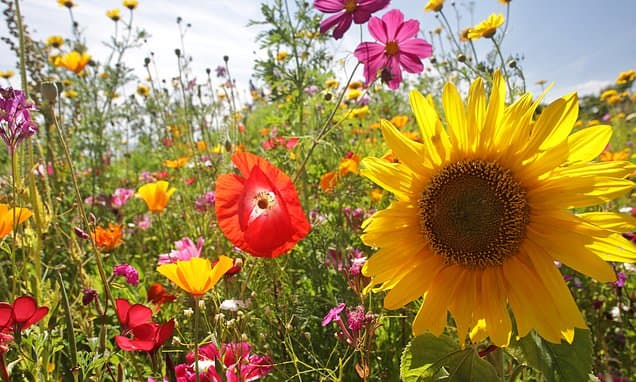
Appearing approximately 200 million years ago, flowering plants dramatically transformed Earth, acting as a catalyst for significant animal evolution and diversification.
This floral revolution provided the foundation for modern ecosystems, influencing the development of pollinators like bees and visually striking creatures such as butterflies.
Beyond aesthetics, flowering plants, including essential grasses like rice and wheat, are critical for human sustenance, supplying a vast majority of our caloric intake.
Haskell's work highlights how these plants weave together terrestrial and aerial life, sustaining diverse habitats from rainforests to prairies.
Their role extends to modern environmental concerns, with seagrass noted for its potent carbon-locking capabilities, underscoring the need to protect these vital organisms and their habitats.
