

Home / Science / Lake Spillover Key to Grand Canyon's Birth, Study Says
Lake Spillover Key to Grand Canyon's Birth, Study Says
17 Apr
Summary
- A new study suggests a lake overflow 5.6 million years ago carved the Grand Canyon.
- The Colorado River flowed into a Bidahochi basin lake before spilling.
- Critics question the timing, location, and evidence for proposed lake spillovers.
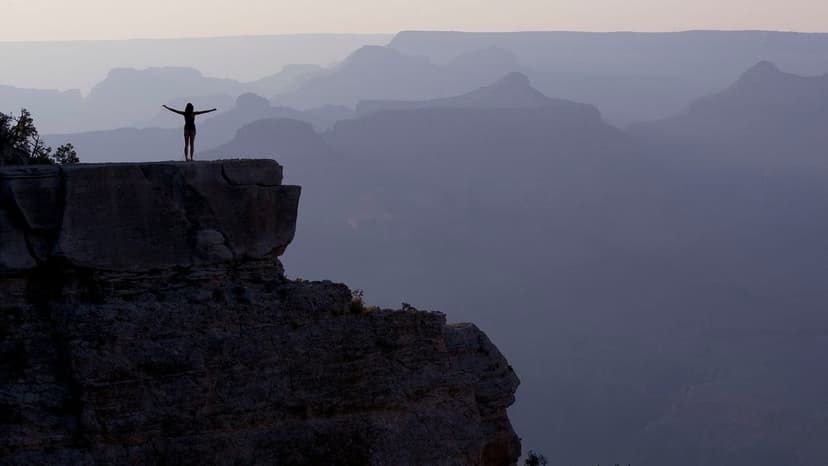
A recent scientific study offers new insights into the origins of the Grand Canyon, suggesting that a colossal lake overflow event approximately 5.6 million years ago was pivotal in its creation. The Colorado River, a waterway that historically did not traverse this area, is now understood to have begun carving its path through the region after spilling from an ancient lake.
This study indicates that the Colorado River fed into the Bidahochi basin, a geological depression in northeastern Arizona known to have once contained large ancient lakes. Around 6.6 million years ago, sand deposits within this basin began showing a distinct Colorado River signature, confirming its flow into the lake. The overflow from this basin around 5.6 million years ago is proposed as the main driver for establishing the river's course through what would become the Grand Canyon.
While this research sheds light on the river's path before reaching the canyon, some experts express skepticism. Critics argue that the study's proposed lake spillover events lack sufficient data regarding their exact timing and location. They maintain that the key details supporting the spillover conclusion require further empirical testing and substantiation.
