feedzop-word-mark-logo
searchLogin
Feedzop
homeFor YouIndiaIndia
You
bookmarksYour BookmarkshashtagYour Topics
Trending
trending

ChatGPT faces worldwide outages

trending

Alphabet dominates with Gemini 3

trending

OpenAI improves ChatGPT after Gemini

trending

Chennai schools closed due to rain

trending

Rupee collapses beyond 90/USD

trending

Avengers Doomsday trailer breaks tradition

trending

Rupee hits record low

trending

Canara Bank raises ₹3,500 crore

trending

JioHotstar releases Dies Irae

Terms of UsePrivacy PolicyAboutJobsPartner With Us

© 2025 Advergame Technologies Pvt. Ltd. ("ATPL"). Gamezop ® & Quizzop ® are registered trademarks of ATPL.

Gamezop is a plug-and-play gaming platform that any app or website can integrate to bring casual gaming for its users. Gamezop also operates Quizzop, a quizzing platform, that digital products can add as a trivia section.

Over 5,000 products from more than 70 countries have integrated Gamezop and Quizzop. These include Amazon, Samsung Internet, Snap, Tata Play, AccuWeather, Paytm, Gulf News, and Branch.

Games and trivia increase user engagement significantly within all kinds of apps and websites, besides opening a new stream of advertising revenue. Gamezop and Quizzop take 30 minutes to integrate and can be used for free: both by the products integrating them and end users

Increase ad revenue and engagement on your app / website with games, quizzes, astrology, and cricket content. Visit: business.gamezop.com

Property Code: 5571

Home / Science / Glyphosate Study Retracted After 25 Years: Ghostwriting Exposed

Glyphosate Study Retracted After 25 Years: Ghostwriting Exposed

3 Dec

•

Summary

  • Glyphosate study published in 2000 retracted by journal in November 2025.
  • Retraction cites critical issues undermining academic integrity.
  • Monsanto employees, not listed scientists, authored the original study.
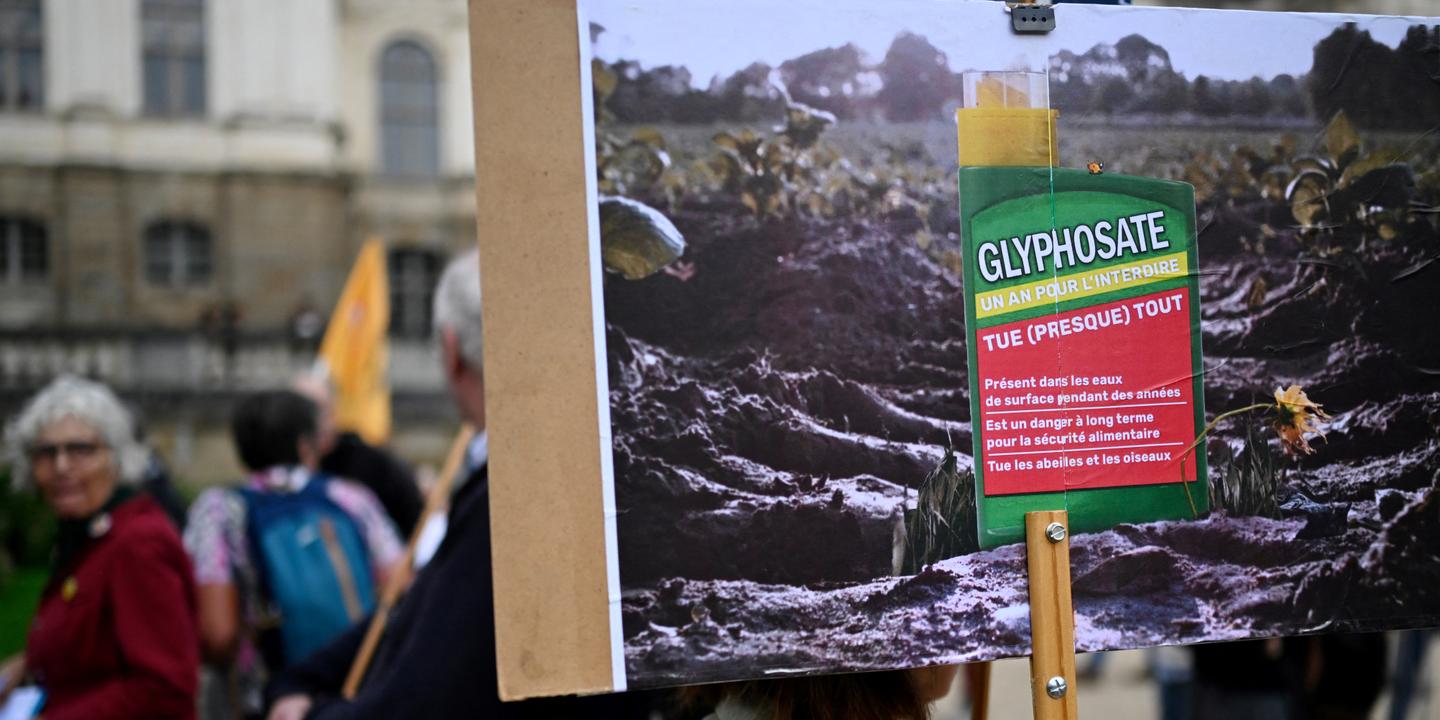
Glyphosate Study Retracted After 25 Years: Ghostwriting Exposed

A 25-year-old influential research article assessing glyphosate's carcinogenicity has been retracted. Published in April 2000, the study concluded the herbicide was safe. However, in November 2025, the journal Regulatory Toxicology and Pharmacology removed it, citing critical issues that undermined the article's integrity and conclusions.

This significant disavowal emerged years after thousands of internal Monsanto documents, known as the "Monsanto Papers," were made public. These documents revealed that the study's authors were not the scientists listed on the publication but rather employees of Monsanto.

The practice of "ghostwriting," where companies pay researchers to sign studies they did not write, is considered scientific fraud. This tactic aims to lend credibility to research supporting a product's safety by having it appear independent of the marketing company.

Disclaimer: This story has been auto-aggregated and auto-summarised by a computer program. This story has not been edited or created by the Feedzop team.
The study, published in 2000, claimed glyphosate was safe but has been retracted due to ghostwriting by Monsanto employees, raising concerns about scientific integrity.
The Monsanto Papers revealed that Monsanto employees, not the listed scientists, authored the 2000 glyphosate safety study, prompting its retraction for ghostwriting.
Ghostwriting is when a company pays researchers to sign their names to studies they did not actually write, often to influence the perception of product safety.

Read more news on

Scienceside-arrow

You may also like

UK Fruits & Veg Tainted: Cancer-Linked Pesticides Found

22 hours ago • 7 reads

article image

Phthalates: Decades of Danger, Little Action

1 day ago • 46 reads

Holiday Hazards: Food, Jabs, and Fairy Lights!

1 day ago • 8 reads

article image

Talc Powder Faces New FDA Scrutiny Over Cancer Risk

26 Nov • 35 reads

article image

Bayer Stroke Drug Trial Shows Promise

24 Nov • 64 reads

article image