

Home / Science / Genes and Sin: Psychology Meets Biology
Genes and Sin: Psychology Meets Biology
3 Apr
Summary
- Psychologist explores genetic links to addiction and risky behavior.
- Book questions moral responsibility based on inherited tendencies.
- Science of sin should reshape views on punishment and justice.
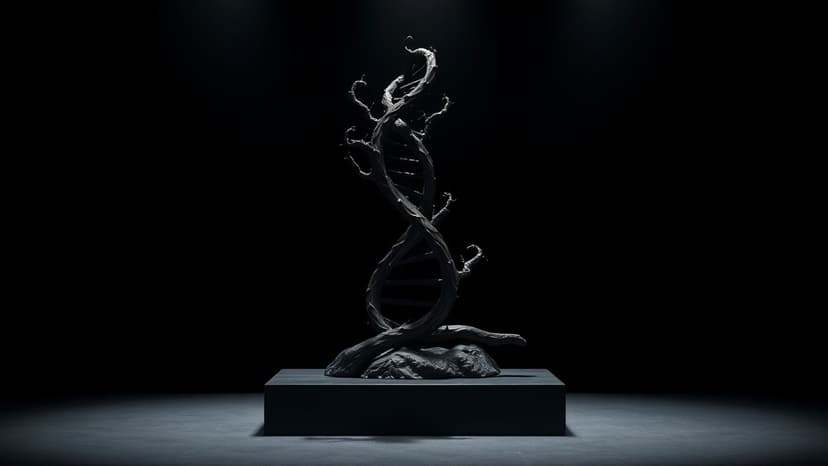
Psychologist Kathryn Paige Harden delves into the intricate relationship between genetics and behaviors commonly associated with "sin." Her latest book explores scientific findings on traits linked to addiction and risk-taking, such as crime or substance abuse. Harden posits that expanding knowledge of why individuals engage in certain behaviors, considering both inherited predispositions and environmental factors, should fundamentally alter our notions of moral responsibility and blame.
Harden's work critically examines the U.S. criminal justice system, suggesting its punitive nature reflects an outdated view of inherent badness. She advocates for a justice system that acknowledges the biological and social underpinnings of behavior, leading to reformative rather than solely retributive punishments. Her research also questions the ethics of selecting embryos for traits like self-control, emphasizing the societal value of diverse behaviors and individuals.
The book integrates personal narrative with scientific discovery, discussing the complexities of morality and social cooperation. Harden uses examples from biology, such as paper wasps punishing unproductive behavior, to illustrate the deep-seated nature of moral feelings. She challenges readers to consider the humanity of individuals who commit terrible acts, prompting reflection on how a just society should treat them.
