Home / Science / Fukushima's 'Super-Boars': Hybrid Pigs Thrive After Disaster
Fukushima's 'Super-Boars': Hybrid Pigs Thrive After Disaster
26 Feb
Summary
- Domestic pigs and wild boar hybridized after Fukushima nuclear disaster.
- Maternal lineage shows domestic pig genes persist and reproduce.
- Hybrid boar resilience suggests human withdrawal impacts radiation.
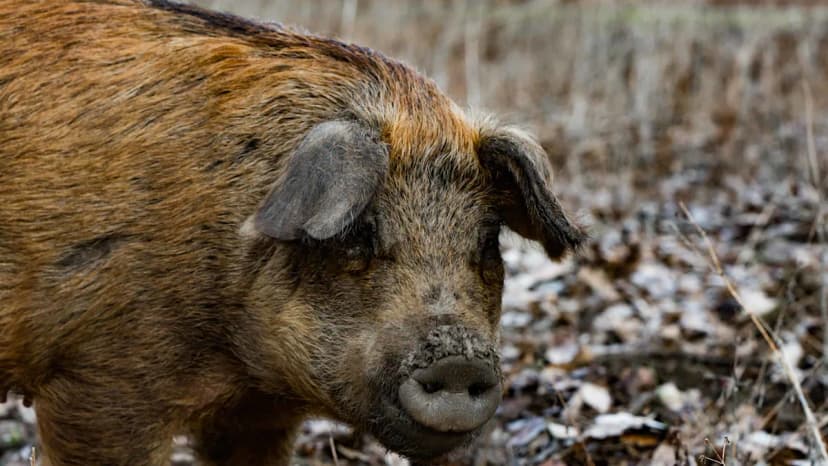
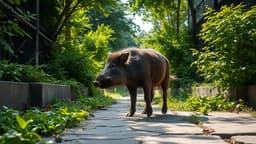
In the wake of the 2011 Fukushima Daiichi nuclear disaster, an unexpected natural experiment unfolded. Domestic pigs escaped abandoned farms within the evacuation zone and interbred with wild boar.
Over a decade later, genetic research published in early 2026 reveals that these hybrid boars are not only surviving but thriving. A significant percentage carry mitochondrial DNA from domestic sows, indicating that domestic maternal lineages have successfully established themselves and are reproducing within the wild population.
This persistent genetic contribution, particularly from reproductively efficient domestic pigs, may explain the rapid rebound of the boar population. Despite elevated radiation levels in the area, studies suggest that the removal of human activity had a more profound impact on wildlife resilience than radiation exposure.
The hybridization phenomenon complicates rewilding efforts and wildlife management. These 'super-boars' demonstrate how quickly evolutionary changes can occur in human-altered landscapes, raising questions about restoring ecosystems to pre-disaster baselines and managing human-wildlife encounters as residents consider returning.