

Home / Science / Japan's New Power: Osmosis Taps Ocean Energy
Japan's New Power: Osmosis Taps Ocean Energy
3 Apr
Summary
- Osmotic power plant in Fukuoka generates electricity from treated sewage and seawater brine.
- The plant, opened in August 2026, produces enough energy for 300 households annually.
- This renewable energy source is not dependent on weather or light conditions.
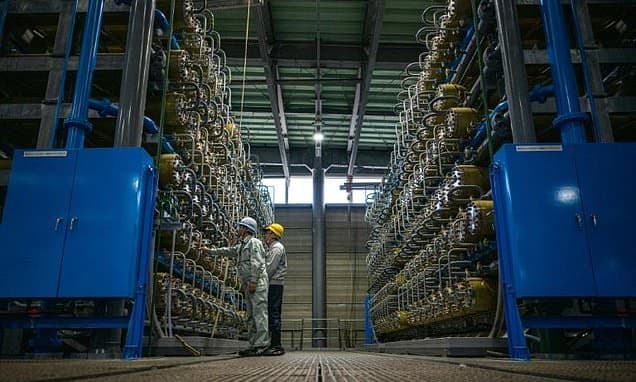
Engineers in Fukuoka, Japan, have inaugurated the world's second osmotic power plant, a facility that generates renewable energy by harnessing the natural process of osmosis. This innovative system draws power from the difference in salinity between treated sewage water and concentrated brine, a waste product from a local desalination plant. The Fukuoka plant, which began operation in August 2026, is projected to generate 880,000 kilowatts annually, enough to power approximately 300 households.
This technology offers a unique advantage as it provides a stable energy source, unlike solar or wind power, which are dependent on weather conditions. While currently more expensive than fossil fuels, the engineers are optimistic about future scalability. The project, costing 700 million yen (approximately $4.4 million), is undergoing a five-year test period to assess performance, costs, and maintenance requirements.
Kyowakiden Industry, the engineering firm involved, aims to develop larger-scale plants in the future. They envision this technology being particularly beneficial for countries with extensive desalination facilities, such as those in the Middle East. The company is also researching methods to generate power from regular seawater, signaling a strong belief in the future potential of osmotic power generation.
