Home / Science / Firefly Rocket Soars: Success After Near Misses
Firefly Rocket Soars: Success After Near Misses
12 Mar
Summary
- Firefly's Alpha rocket successfully launched March 11th after a prior failure.
- The rocket carried a demonstrator payload for Lockheed Martin.
- This flight validates upgrades ahead of the Block 2 version.
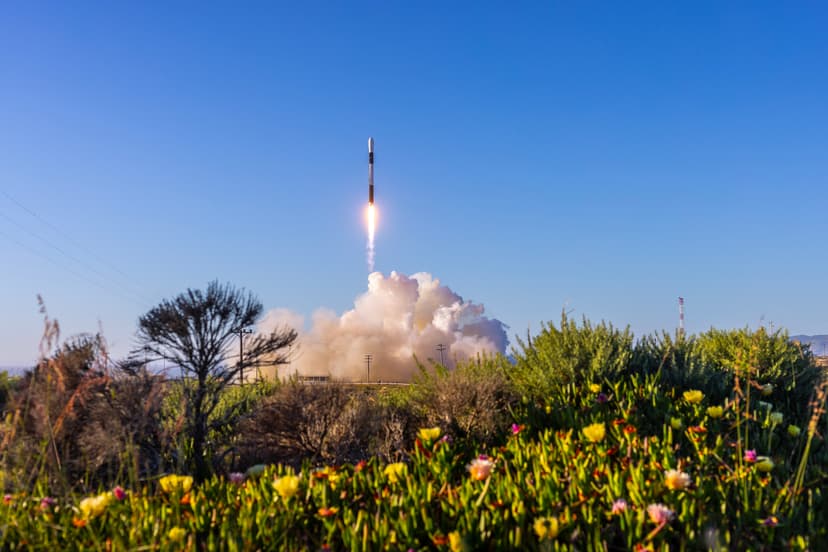
Firefly Aerospace's Alpha rocket successfully returned to flight on March 11, 2026, launching a technology demonstration mission. This marks a significant achievement, occurring more than 10 months after the rocket's previous launch encountered a failure. The mission, dubbed "Stairway to Seven," lifted off from Vandenberg Space Force Base in California.
The vehicle's two stages performed as expected, with a successful relight of the second-stage engine. The rocket reached an altitude of approximately 245 kilometers, carrying a "demonstrator payload" for Lockheed Martin. Firefly's CEO hailed the launch as a complete success, highlighting the team's resilience.
This launch was the first for Alpha since an April 2025 mission failure, which was traced to a structural failure in the first stage. Subsequent setbacks, including an explosion on a test stand in September 2025, led to process improvements. Firefly is preparing to introduce its upgraded Block 2 version, which includes stretched stages and new avionics.
Some of the Block 2 upgrades, such as the avionics and thermal protection system, were tested on this Flight 7 mission. This flight heritage is vital for the Block 2 version, demonstrating confidence in the rocket's performance and Firefly's commitment to continuous improvement.