feedzop-word-mark-logo
searchLogin
Feedzop
homeFor YouIndiaIndia
You
bookmarksYour BookmarkshashtagYour Topics
Trending
Terms of UsePrivacy PolicyAboutJobsPartner With Us

© 2026 Advergame Technologies Pvt. Ltd. ("ATPL"). Gamezop ® & Quizzop ® are registered trademarks of ATPL.

Gamezop is a plug-and-play gaming platform that any app or website can integrate to bring casual gaming for its users. Gamezop also operates Quizzop, a quizzing platform, that digital products can add as a trivia section.

Over 5,000 products from more than 70 countries have integrated Gamezop and Quizzop. These include Amazon, Samsung Internet, Snap, Tata Play, AccuWeather, Paytm, Gulf News, and Branch.

Games and trivia increase user engagement significantly within all kinds of apps and websites, besides opening a new stream of advertising revenue. Gamezop and Quizzop take 30 minutes to integrate and can be used for free: both by the products integrating them and end users

Increase ad revenue and engagement on your app / website with games, quizzes, astrology, and cricket content. Visit: business.gamezop.com

Property Code: 5571

Home / Science / Battery Life Boost: New Cathode Coating Unlocks Longer Power

Battery Life Boost: New Cathode Coating Unlocks Longer Power

16 Jan

•

Summary

  • Simple chemistry could extend lithium-ion battery life significantly.
  • New method creates protective cathode coating using organic chemistry.
  • Battery performance can be tuned for power or longevity.
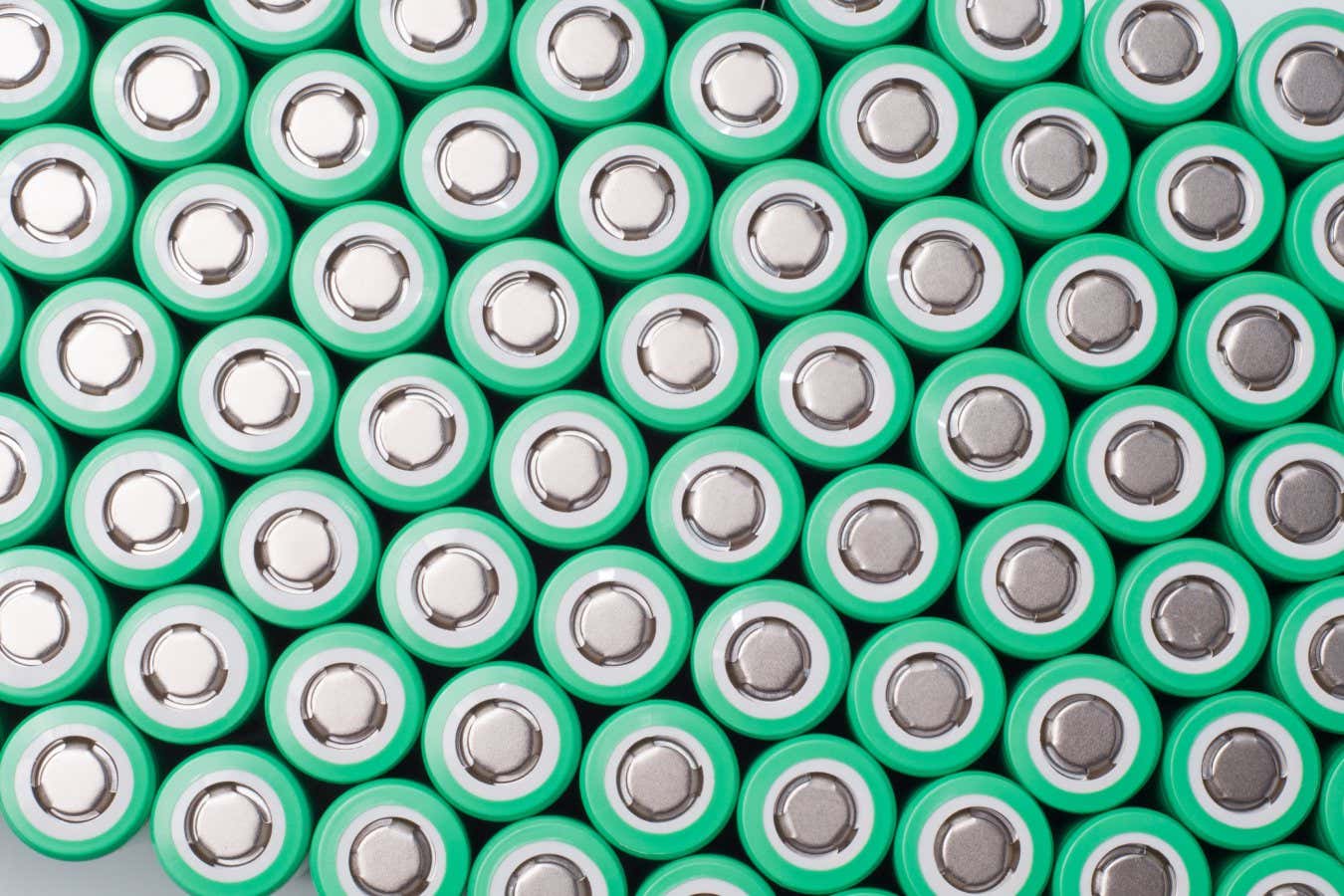
Battery Life Boost: New Cathode Coating Unlocks Longer Power

Scientists have discovered a low-cost chemical method that may significantly extend the lifespan of lithium-ion batteries. This innovative approach focuses on creating a protective coating at the battery's cathode, an area previously too reactive for stable layer formation. By employing a technique adapted from organic chemistry, researchers can now control the electrolyte's breakdown to build a durable protective layer.

The newly developed cathode-electrolyte layer offers flexibility, allowing batteries to be optimized for either enhanced energy output or prolonged operational life and stability. This tunability presents a significant advantage for various applications, catering to different user needs. The method utilizes established chemical procedures, suggesting potential for safe and straightforward manufacturing.

While the exact increase in battery longevity is yet to be quantified, this straightforward modification to existing battery designs is seen as a promising step forward. Following rigorous safety and long-cycle testing, this technology is anticipated to become available to consumers in the near future, offering a practical solution for improved battery performance.

Disclaimer: This story has been auto-aggregated and auto-summarised by a computer program. This story has not been edited or created by the Feedzop team.
Researchers are creating a stable protective coating on the cathode using a controlled chemical breakdown of the electrolyte.
The cathode's reactive environment makes it difficult to form a stable protective coating that prolongs battery life.
Yes, the resulting layer can be adjusted for stronger protection for longevity or weaker protection for faster reactions and more energy.

Read more news on

Scienceside-arrow
trending

Rafale jets to be built in India

trending

Praveen Kumar heads BSF

trending

NFVCB targets film classification

trending

CBI searches Kolkata locations

trending

Citigroup CEO warns employees

trending

Dow Jones Industrial Average

trending

Nithin Kamath questions market closure

trending

Silver hits all-time high

trending

iPhone 15 Pro Max Review

You may also like

Future Phones: Solid-State, Nuclear, and Credit Card Thin!

2 hours ago

article image

Lithium Market Rebound: Energy Storage Drives Demand

5 Jan • 60 reads

article image

Exploding Power Bank: Aussie Warns of Hidden Dangers

3 Jan • 47 reads

Smart Rings Overheat: Users Report Burns and Smoke

11 Dec, 2025 • 142 reads

article image

Grid Batteries: Chile's Desert Proved the Future

5 Dec, 2025 • 181 reads

article image