
Home / Science / Shark Attacks Spark Debate: Should "Problem Sharks" Be Hunted?
Shark Attacks Spark Debate: Should "Problem Sharks" Be Hunted?
30 Sep, 2025
Summary
- Experts believe a few sharks may be responsible for disproportionate attacks
- DNA analysis linked same tiger shark to two separate bites in the Caribbean
- Capturing and removing "problem sharks" is controversial among scientists
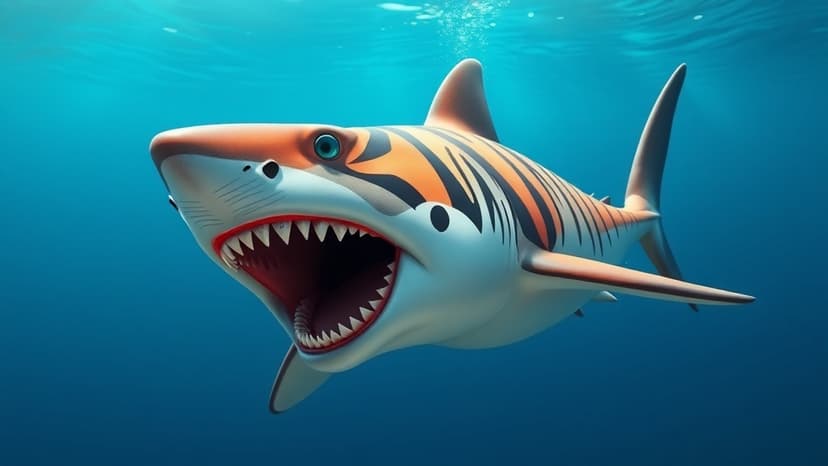
In the past few years, a series of shark attacks in the Caribbean have sparked a debate among marine scientists. Some experts believe that a few "problem sharks" may be responsible for a disproportionate number of these incidents.
In December 2020, a French tourist was killed while swimming off the coast of Saint-Martin. A month later, another woman was badly bitten while snorkeling off St Kitts and Nevis. DNA analysis later confirmed that the same tiger shark was behind both attacks.
Marine biologist Eric Clua, who was called in to investigate, believes that certain sharks can learn to view humans as prey. He argues that identifying and removing these "problem sharks" could be a better solution than large-scale culls, which have proven ineffective.
However, Clua's approach is highly controversial. Some scientists reject the idea of "problem sharks" outright, fearing it could perpetuate the notion of sharks as savage, human-eating monsters. Others argue that even if a few sharks are responsible, finding and capturing them is not a viable solution.
As the debate continues, Clua and his team remain committed to their forensic approach. They are working to swab shark-bite injuries and track down potential problem sharks in the hopes of preventing future attacks. The ultimate goal is to find a way for humans and sharks to coexist more safely.
