Home / Science / Rainfall Drives Elephant Movement in Western Ghats
Rainfall Drives Elephant Movement in Western Ghats
13 Jul
Summary
- Rainfall is the strongest factor influencing elephant presence.
- Human settlements increased, impacting dense vegetation.
- Local communities possess deep knowledge of elephant behavior.
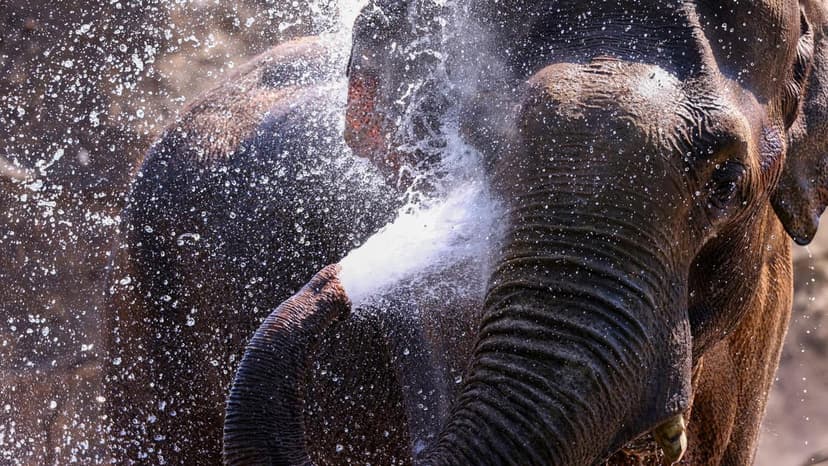
Research in the southern Western Ghats of Karnataka and Kerala indicates that rainfall is the primary environmental factor dictating elephant occurrences. This finding emerged from a study integrating ecological modeling with local community insights.
The study observed a notable increase in human settlements between 2012 and 2022, with a corresponding decline in dense vegetation. Projections to 2030 suggest these trends could lead to more fragmented and unpredictable elephant distribution patterns.
Local communities demonstrated a profound understanding of elephant behavior and movement shifts. Their insights, combined with ecological data, offer a richer picture of elephant migration patterns and the reasons behind them.
Ensuring safe coexistence between humans and elephants is highlighted as a critical challenge as landscapes continue to transform. This requires not only predicting elephant movements but also fostering shared spaces for future generations.


