Home / Science / British Museum Unearths 400,000-Year-Old Fire Secret
British Museum Unearths 400,000-Year-Old Fire Secret
10 Dec
Summary
- Earliest fire-making evidence found in Suffolk, dating over 400,000 years.
- Discovery suggests humans controlled fire 350,000 years earlier than known.
- Heated clay and shattered flint handaxes reveal ancient human ingenuity.
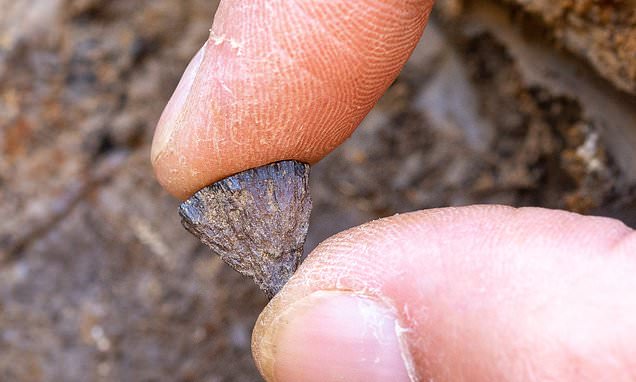
An extraordinary discovery in Suffolk, England, has revealed the earliest known evidence of fire-making, pushing back the timeline of human technological capability by an astonishing 350,000 years. Researchers from the British Museum uncovered a patch of heated clay, along with heat-shattered flint handaxes and iron pyrite fragments, dating back over 400,000 years.
This evidence indicates that early Neanderthal groups possessed the knowledge and skill to intentionally create and control fire, a feat previously thought to have emerged much later. The findings suggest humans were no longer solely reliant on natural fires, gaining crucial advantages for survival, migration, and social development.
The ability to control fire revolutionized human existence, enabling cooking, providing warmth, and fostering social cohesion. This significant turning point in human evolution is supported by geochemical tests on the heated clay, which confirmed repeated fire use at temperatures exceeding 700°C.