Home / Science / Titanosaurs Nested in Cold, High Latitudes
Titanosaurs Nested in Cold, High Latitudes
9 Sep
Summary
- Giant titanosaur eggs were discovered in southern Argentina.
- Nesting occurred at high latitudes, far from the equator.
- Rotting vegetation likely provided incubation heat for eggs.
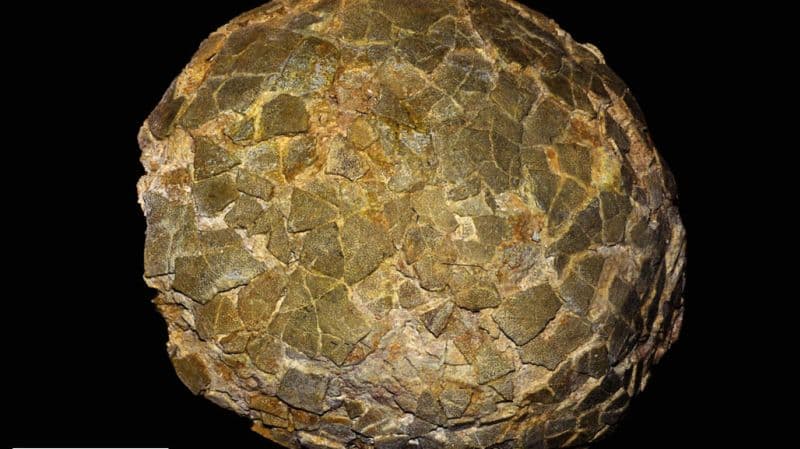
The largest dinosaurs that ever lived, titanosaurs, were capable of reproducing in high-latitude regions, a new study has found. Researchers discovered 255 titanosaur eggshell fragments in southern Argentina, dating back 68 million years to latitudes between 55 and 60 degrees south. This represents the highest-latitude nesting environment known for sauropods and the southernmost definitive evidence of dinosaur eggs.
Unlike some modern birds and smaller dinosaurs, titanosaurs likely did not brood their eggs due to their immense size. Scientists propose a clever strategy: they created mound nests from vegetation and soil. Incubation heat was primarily generated by rotting plant material within these nests. The porous eggshells required burial in moist material to prevent dehydration and ensure embryo survival.
These findings suggest that titanosaurs may have stayed in these higher-latitude areas year-round, or at least were able to complete their reproductive cycles during the warmer parts of the year. The discovery of these eggs, alongside dinosaur bones at the same site, highlights the incredible adaptability and resilience of these colossal creatures in diverse environments.


