Home / Science / Tiny Mice Unlock Viral Secrets
Tiny Mice Unlock Viral Secrets
2 Sep
Summary
- Suckling mice revealed a new group of viruses, not ordinary poliovirus.
- These viruses, named Coxsackie, cause diverse human illnesses.
- The discovery revolutionized virus research models and understanding.
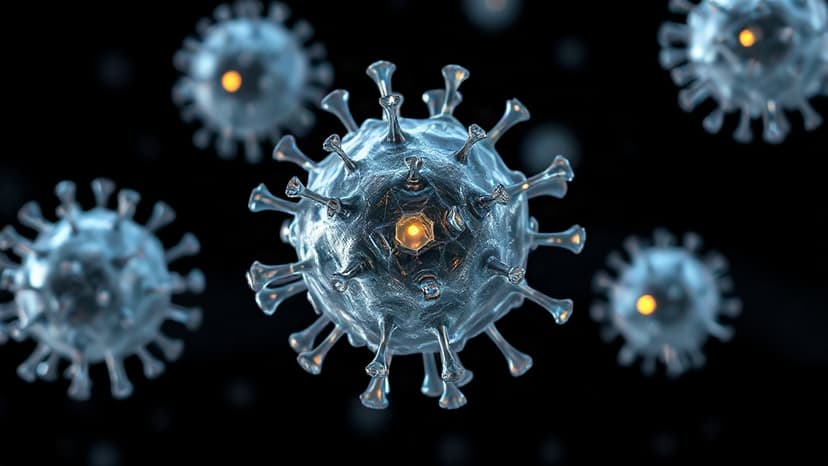
In the summer of 1947, Gilbert Dalldorf investigated polio-like illnesses in upstate New York. Seeking an alternative to expensive monkey research, he used young mice based on Danish scientists' work. Dalldorf and Grace M. Sickles discovered that material from patients caused paralysis in very young mice but not older ones.
This age-dependent susceptibility indicated a previously unknown group of viruses, distinct from poliovirus. These agents caused skeletal muscle destruction in young mice, a key diagnostic feature. Dalldorf and Sickles reported this finding in July 1948, laying the groundwork for recognizing a new viral family.
The viruses were named Coxsackie viruses after Coxsackie, New York, where the initial samples originated. They were categorized into Group A and Group B based on distinct pathologies in mice, leading to broader recognition of non-polio viruses causing summer outbreaks.
Dalldorf's work established the suckling mouse as a vital model for identifying unknown viruses. This method facilitated the isolation of numerous other viruses, including oncogenic ones, significantly impacting virology beyond the initial polio research context.
Coxsackieviruses are now known to cause a spectrum of diseases, including herpangina, hand, foot, and mouth disease, and contribute to heart and pancreatic conditions. Dalldorf's initial investigation into suspected polio cases thus uncovered a significant new group of human viruses with far-reaching health implications.


