Home / Science / Can Woolly Mammoths Fight Climate Change?
Can Woolly Mammoths Fight Climate Change?
12 Mar
Summary
- Biotech firm Colossal aims to create mammoth-like embryos by 2028.
- Project could aid climate change fight by restoring Arctic ecosystems.
- Researchers edit elephant DNA for mammoth traits like shaggy fur.
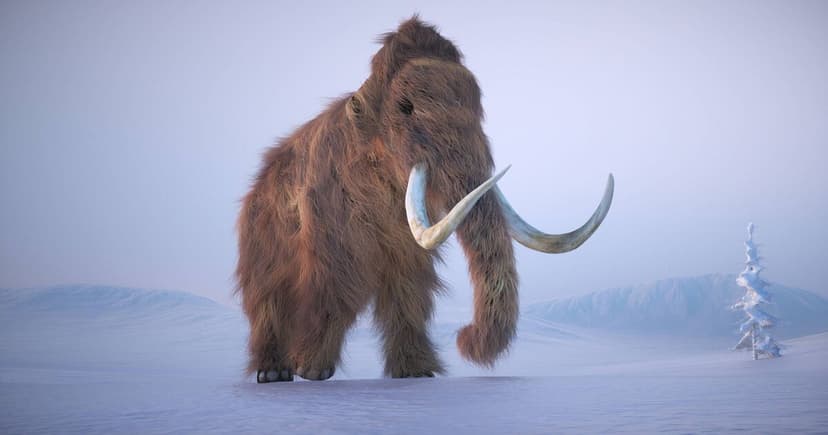
American biotech firm Colossal Biosciences is working to recreate the woolly mammoth, with a target of producing mammoth-like embryos by 2028. They have analyzed over 50 mammoth genomes and are editing Asian elephant DNA to incorporate key mammoth characteristics like shaggy fur and cold-adapted physiology. The company believes these engineered creatures could serve as 'ecosystem engineers' in the Arctic.
The project's proponents suggest that reintroducing large grazers to the tundra might help slow permafrost thaw and reduce the release of greenhouse gases. Colossal is currently testing genetic modifications in laboratory mice, successfully creating 'woolly mice' that passed on traits like longer coats to their offspring.
Critics question the allocation of resources towards de-extinction when living species need aid, and raise concerns about animal welfare and the ethical implications of creating a new species. Colossal argues their technology can also aid current conservation efforts through its non-profit division, the Colossal Foundation.
Introducing such animals to the Arctic would require extensive preparation, including fenced trials and ecological monitoring, along with approvals from local communities and governments. Colossal aims to accelerate progress by combining numerous gene edits simultaneously to create animals capable of withstanding harsh Arctic winters.