Home / Science / Fish Defy Freezing: Nature's Icy Survivors
Fish Defy Freezing: Nature's Icy Survivors
20 Jan
Summary
- Some fish produce natural antifreeze proteins to prevent bodily freezing.
- Despite frozen surfaces, fish breathe using dissolved oxygen beneath the ice.
- Cold-water fish have slow metabolisms, reducing oxygen needs significantly.
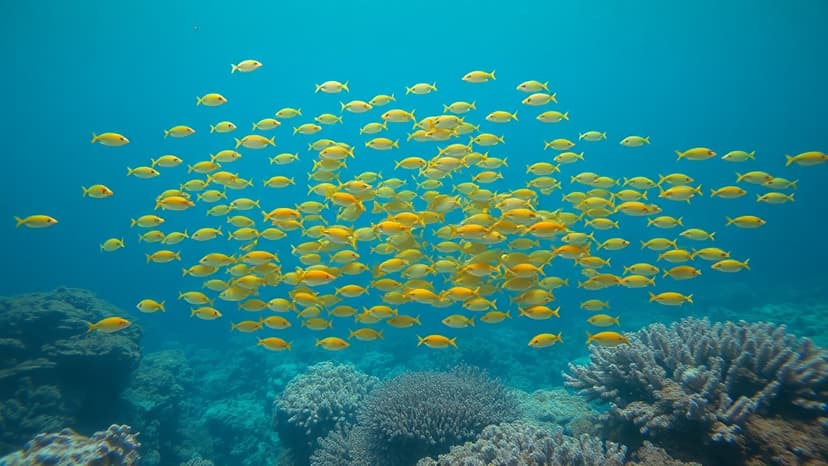
In the planet's iciest waters, a surprising array of fish not only survive but thrive. These cold-water dwellers have evolved extraordinary biological mechanisms to withstand temperatures near freezing, challenging common assumptions about aquatic life.
These species manufacture proteins that act as natural antifreeze, preventing ice crystals from forming within their bodies. Others drastically slow their metabolisms to conserve energy and reduce oxygen requirements in frigid conditions. These adaptations are crucial for foraging, reproduction, and evading predators in their harsh habitats.
Even when lakes and rivers freeze over, fish continue to breathe. The water beneath the ice typically remains liquid and contains dissolved oxygen produced by aquatic plants and distributed by water movement. Cold-water fish are highly efficient at extracting this oxygen through their gills, further aided by their slowed metabolisms during winter.
Notable examples include the Antarctic Icefish, which lives in -2°C waters and possesses antifreeze proteins, unique for having no red blood cells. The Arctic cod, vital to polar food chains, also relies on antifreeze proteins. Lake whitefish, rainbow smelt, Arctic char, Antarctic Toothfish, and yellowfin sole all demonstrate distinct strategies for surviving and flourishing in near-freezing aquatic environments.