Home / Science / EV Battery Recycling: China's Future Resource?
EV Battery Recycling: China's Future Resource?
31 Jul
Summary
- China's EV recycling could dominate material supply by 2050.
- Model covers materials for batteries and electric motors.
- Recycling effectiveness hinges on strengthening supply chain links.
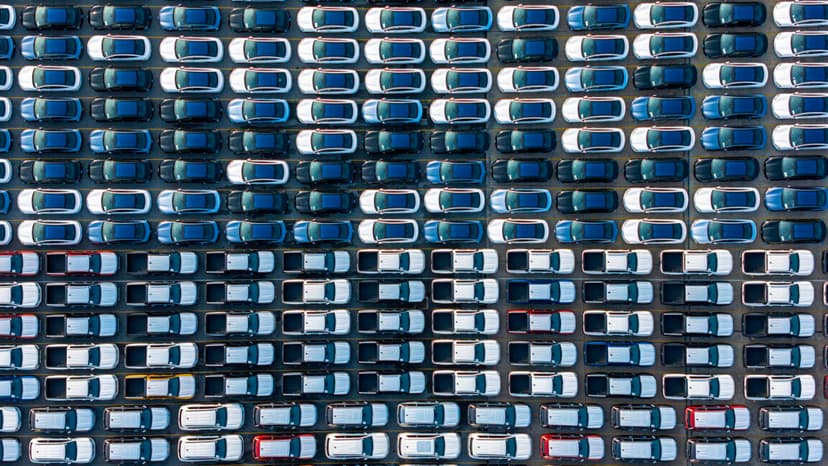
A study by Nanjing University in China projects that by 2050, recycling may become the primary source for many materials essential to manufacturing electric vehicle components. The research modeled the supply of recycled materials against manufacturing demand from 2010 to 2050, analyzing elements crucial for both EV batteries and motors.
The model considered various technological progression scenarios, including shifts to new battery chemistries and motors with reduced rare-earth content. Despite challenges like evolving battery technology, the study indicates that recycling's potential to meet manufacturing demand is generally high across different scenarios.
Achieving these high recycling rates hinges on strengthening various links within the recycling chain. While China is implementing regulations such as "battery passports" and licensed recycling facilities, challenges remain. The complexity of the recycling chain and the potential for lower value in recycled materials from newer battery technologies could create bottlenecks.
Ultimately, the study suggests that while technological changes complicate EV recycling goals, the economic viability for many materials could be favorable. The success of effective recycling will depend on overcoming supply chain vulnerabilities and adapting to new material compositions.


