Home / Science / Chile's Darkest Skies Threatened by Energy Project
Chile's Darkest Skies Threatened by Energy Project
3 Dec
Summary
- Renewable energy complex planned near world-class observatory.
- Scientists warn project poses 'imminent threat' to cosmic study.
- Chile hosts 40% of global astronomy infrastructure.
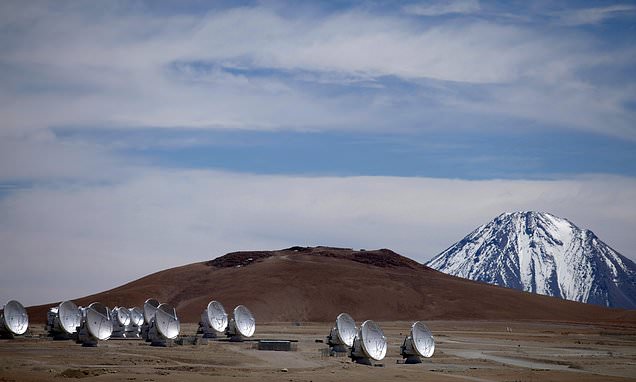
Chile's Atacama Desert, renowned for its exceptionally dark skies and high altitude, is a critical hub for astronomical research. However, plans for a large renewable energy complex by AES Andes, located just three kilometers from the Paranal Observatory, have raised serious concerns.
International astronomers, including Nobel laureate Reinhard Genzel, have penned an open letter to the Chilean government, calling the project an "imminent threat." They emphasize that increased light pollution, dust, and atmospheric turbulence from the proposed wind and solar farms would significantly impair observations essential for studying everything from planet formation to the early universe.
While AES Corp. asserts the project will comply with regulations and not disrupt observations, experts counter that even minor artificial turbulence can destabilize the star quality crucial for advanced astronomy. This situation underscores a global tension between preserving natural darkness and the encroaching impact of industrialization on vital scientific sites.