

Home / Science / Wildlife Thrives in Chernobyl's Radiation Zone
Wildlife Thrives in Chernobyl's Radiation Zone
25 Apr
Summary
- Animals like wolves and bears have returned to Chernobyl.
- Absence of humans has boosted wildlife more than radiation harmed.
- Some species show evolutionary adaptations to radiation.
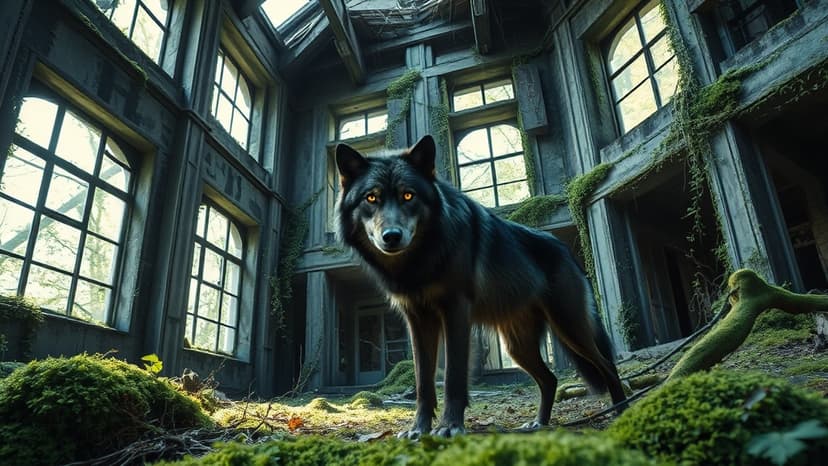
The Chernobyl exclusion zone, once viewed as a radioactive wasteland, is now experiencing a remarkable resurgence of wildlife. Approximately four decades after the 1986 disaster, cameras and scientists have observed the return of wolves, foxes, bears, beavers, and bison to the forests surrounding the abandoned power plant. This phenomenon highlights the significant impact of human absence on the environment.
Following the evacuation of approximately 115,000 people and the establishment of a strict exclusion zone, wildlife populations did not collapse. Instead, studies indicate that large mammal numbers in the Belarusian sector are comparable to, or even higher than, those in uncontaminated reserves. This suggests that the cessation of hunting, farming, and infrastructure development has had a more beneficial effect on animals than the lingering radiation has had a negative one.
Species such as wolves, foxes, Eurasian lynx, elk, and wild boar have increased significantly within the zone. Even brown bears and European bison, which had vanished from the area prior to the disaster, have returned and established new populations. Birds have also rebounded, with species like black storks, white storks, and white-tailed eagles returning, and the globally endangered greater spotted eagle nesting in growing numbers.
Some species are exhibiting adaptations to the radioactive environment. For instance, tree frogs in the Chernobyl Exclusion Zone (CEZ) are darker, possibly due to higher melanin content offering radiation protection. Research on Eurasian wolves suggests potential evolutionary changes to survive chronic radiation and reduce cancer risk. Even a black, melanin-rich fungus discovered inside the ruined reactor appears to utilize radiation as an energy source. However, the zone is not without its challenges, as some animals display reduced reproductive success and higher mutation rates.
