Home / Science / Chennai's Beaches: Tiny Fibers, Big Threat
Chennai's Beaches: Tiny Fibers, Big Threat
26 Mar
Summary
- Nylon fibers are a dominant microplastic type in Chennai's beach sediments.
- Low microplastic abundance doesn't equate to low ecological risk.
- Human activities like fishing and washing clothes contribute to pollution.
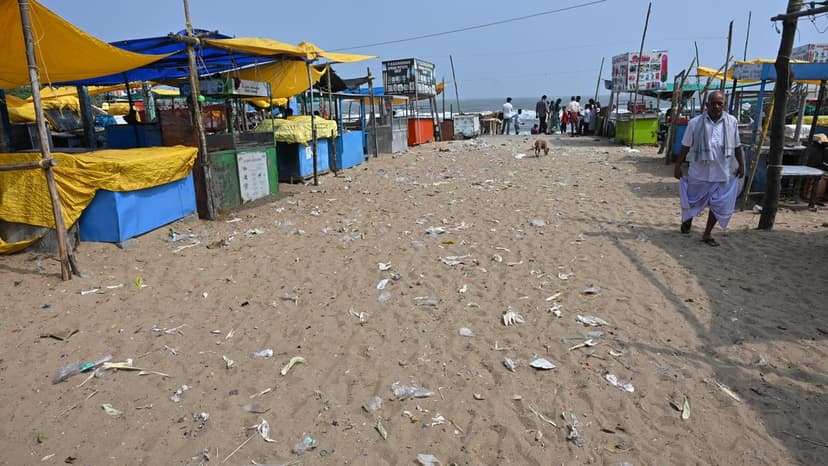
Microplastics, primarily nylon fibers, have been detected in Chennai's beach sediments, raising concerns about potential long-term ecological damage. A study from V.O. Chidambaram College highlights that even low concentrations of these fibers can pose a substantial risk to marine ecosystems and coastal biodiversity.
The research emphasizes that the type of plastic, particularly nylon fibers, is more critical than mere abundance. These small particles can be ingested by marine organisms, causing physical harm and introducing toxic compounds. The pollution stems from human activities such as fishing, washing synthetic textiles, and urban runoff.
While Chennai's microplastic levels are not yet extreme, early intervention through improved waste management and responsible practices is crucial. Similar studies in Goa and Kerala also report a prevalence of microplastic fibers, underscoring the widespread nature of this environmental challenge. Policymakers are urged to implement timely interventions to mitigate this growing threat to marine environments and human health.