Home / Science / Cats' Love Hormone: The Secret to Your Bond
Cats' Love Hormone: The Secret to Your Bond
1 Sep
Summary
- Oxytocin, the love hormone, deepens cat-human bonds.
- Petting and purring trigger oxytocin release in both.
- Cat attachment styles affect oxytocin response levels.
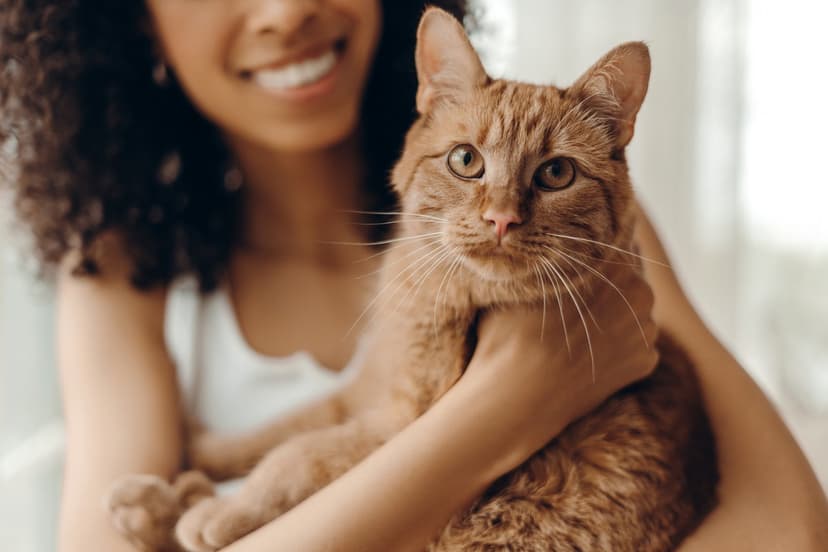
A unique chemical connection, fueled by oxytocin, strengthens the bond between cats and their human companions, research indicates. This neurochemical, often called the love hormone, is known to foster trust and affection in various social interactions.
Studies have demonstrated that friendly interactions, such as petting or talking gently to a cat, can elevate oxytocin levels in humans. This hormone has calming effects, reducing stress hormones like cortisol and promoting relaxation.
Experiments have also shown that oxytocin levels rise in cats when they engage in relaxed petting or cuddling initiated by their owners. Securely attached cats benefit most from this interaction, experiencing a surge in oxytocin.
However, the response varies with attachment styles. Avoidant cats show no significant change, while anxious cats, who may be easily overwhelmed, have high initial oxytocin levels that can drop if interactions are forced. The feline's comfort is paramount for this bonding hormone to flow.
Beyond physical touch, the slow blink and the calming sound of a cat's purr also contribute to this cross-species bonding. These subtle signals, alongside oxytocin boosts, can provide a significant buffer against anxiety and depression for owners.
While dogs may exhibit more overt oxytocin responses due to their history of domestication for companionship, cats' more solitary evolutionary past means their oxytocin-fueled behaviors are reserved for moments of genuine safety and trust.


