Home / Science / Cascadia's Big One: What We Know, What We Don't
Cascadia's Big One: What We Know, What We Don't
10 Feb
Summary
- The Cascadia Subduction Zone could trigger a magnitude 9 earthquake.
- Predicting the exact timing of the Big One remains impossible.
- An early warning system offers 15-20 seconds of crucial notice.
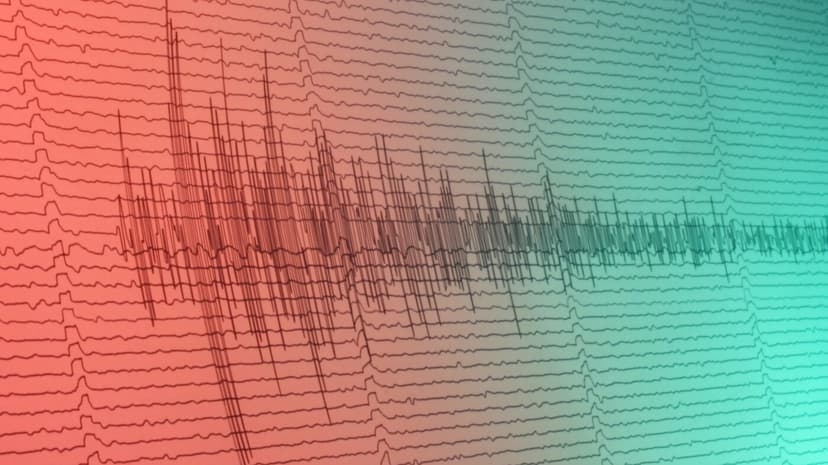
The Pacific Northwest faces the looming threat of a major earthquake from the Cascadia Subduction Zone. Scientists have detailed potential consequences, including prolonged shaking lasting one to three minutes, significant infrastructure collapse, and widespread landslides.
Despite detailed knowledge of potential impacts, the precise timing of such an earthquake remains unpredictable. Historical evidence, including records of an 'orphan tsunami' in Japan from 1700 and geological data, indicates that large earthquakes occur in Cascadia roughly every 500 years on average, but these events can cluster.
Research into past earthquakes, preserved in coastal sediment cores, reveals that these seismic events can cause land to drop suddenly, exacerbating tsunami effects. Scientists also warn that the Cascadia earthquake could potentially trigger seismic activity along the San Andreas Fault in California.
While exact prediction is not possible, an earthquake early warning system is being implemented. This technology uses seismic sensors to detect initial vibrations, providing an alert of 15 to 20 seconds before the main shaking begins. This advance notice is considered crucial for people to take protective actions.