Home / Science / Cascadia & San Andreas Faults: Linked?
Cascadia & San Andreas Faults: Linked?
8 Oct
Summary
- Seismic activity on Cascadia and San Andreas faults may be linked.
- Sediment cores reveal earthquake 'doublets' suggesting temporal connection.
- This connection could impact West Coast earthquake hazard planning.
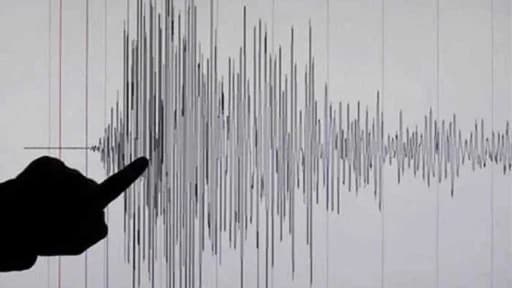
Scientists have uncovered evidence suggesting a potential link between two major fault systems along North America's West Coast: the Cascadia Subduction Zone and the northern San Andreas Fault. Researchers examined seafloor sediment cores, analyzing layers formed by underwater landslides triggered by large earthquakes. These cores contain approximately 3,100 years of geological history, revealing unusual sediment sequences termed "doublets."
The study identified three instances in the past 1,500 years where earthquakes associated with both fault systems may have occurred within a short timeframe, potentially minutes to hours apart. The most recent such event is thought to have happened around 1700. While this connection does not imply that every earthquake on one fault will trigger another on the other, it suggests a "partial synchronisation."
This partial synchronisation is a significant finding due to the vast areas covered by these fault systems. If major seismic events occurred close together in either system, it could severely strain emergency services and infrastructure. Therefore, understanding this potential relationship is vital for enhancing earthquake hazard assessments and preparedness strategies for the region.


