feedzop-word-mark-logo
searchLogin
Feedzop
homeFor YouIndiaIndia
You
bookmarksYour BookmarkshashtagYour Topics
Trending
Terms of UsePrivacy PolicyAboutJobsPartner With Us

© 2026 Advergame Technologies Pvt. Ltd. ("ATPL"). Gamezop ® & Quizzop ® are registered trademarks of ATPL.

Gamezop is a plug-and-play gaming platform that any app or website can integrate to bring casual gaming for its users. Gamezop also operates Quizzop, a quizzing platform, that digital products can add as a trivia section.

Over 5,000 products from more than 70 countries have integrated Gamezop and Quizzop. These include Amazon, Samsung Internet, Snap, Tata Play, AccuWeather, Paytm, Gulf News, and Branch.

Games and trivia increase user engagement significantly within all kinds of apps and websites, besides opening a new stream of advertising revenue. Gamezop and Quizzop take 30 minutes to integrate and can be used for free: both by the products integrating them and end users

Increase ad revenue and engagement on your app / website with games, quizzes, astrology, and cricket content. Visit: business.gamezop.com

Property Code: 5571

Home / Science / Sheep DNA Unlocks Bronze Age Plague Mystery

Sheep DNA Unlocks Bronze Age Plague Mystery

21 Dec, 2025

•

Summary

  • Bronze Age sheep carried plague bacterium Yersinia pestis DNA.
  • Ancient plague spread among people, livestock, and wild animals.
  • Study suggests domesticated animals aided disease transmission.
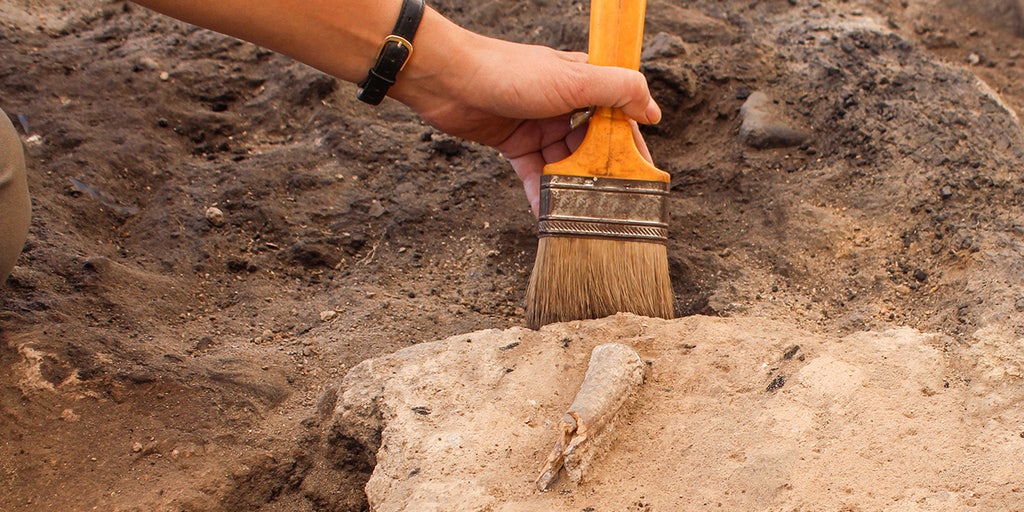
Sheep DNA Unlocks Bronze Age Plague Mystery

A breakthrough in understanding the Bronze Age plague has emerged, revealing that domesticated sheep may have played a key role in spreading the ancient disease. Scientists identified DNA of the plague bacterium, Yersinia pestis, in the tooth of a sheep that lived over 4,000 years ago in present-day southern Russia. This discovery is the first to show the plague infecting animals, offering a vital piece of the puzzle regarding its persistence for nearly 2,000 years.

The findings suggest that the plague's broad reach during the Bronze Age was facilitated by increased interaction between humans, their livestock, and wild animals. As societies began herding larger numbers of animals and traveling greater distances with horses, conditions became more favorable for diseases to jump between species. This contrasts with later plagues, like the Black Death, which were primarily understood to be spread by fleas.

This research highlights the crucial link between animal health and human disease, a risk that persists today. Scientists believe sheep likely contracted the bacteria from another animal, possibly rodents or migratory birds, before transmitting it to humans. Further studies on ancient human and animal remains are planned to map the plague's ancient distribution and identify its original wild reservoir.

Disclaimer: This story has been auto-aggregated and auto-summarised by a computer program. This story has not been edited or created by the Feedzop team.
Researchers found evidence that the plague spread among people, livestock, and wild animals, aided by increased herding and travel.
The DNA from a 4,000-year-old sheep tooth is the first evidence that the ancient plague infected animals, not just humans.
The plague bacterium identified in the sheep was Yersinia pestis, the same bacterium responsible for later plague outbreaks.

Read more news on

Scienceside-arrow
trending

Microsoft AI chief warns safety

trending

DRDO tests scramjet engine

trending

Reliance Jio IPO in 2026

trending

Morgan Stanley RWAs and blockchain

trending

Lecce vs Parma Serie A

trending

Kuldeep Yadav nears ODI record

trending

India vs New Zealand scorecard

trending

Siraj gets batting tips

trending

India vs New Zealand ODI

trending

Booyah Premier League 2026

You may also like

Scrub Typhus Alert: Kozhikode Woman Dies, Cases Rise

1 day ago • 6 reads

article image

Wind-borne mosquitoes spread deadly viruses high above Africa

8 Jan • 18 reads

article image

Artemisinin Resistance Spreads: Africa Faces New Threat

16 Dec, 2025 • 184 reads

article image

Ancient DNA Holds Key to Living Past 100

16 Dec, 2025 • 76 reads

article image

Roman Soldiers Battled Diarrhea Near Hadrian's Wall

19 Dec, 2025 • 100 reads

article image