Home / Science / Brain's Memory Lock: How Shock Rewrites Recall
Brain's Memory Lock: How Shock Rewrites Recall
13 Nov
Summary
- Amygdala acts as gatekeeper for intense emotional memories.
- Adrenaline and norepinephrine trigger chain reaction for memory.
- Epilepsy patients helped test amygdala's memory-strengthening role.
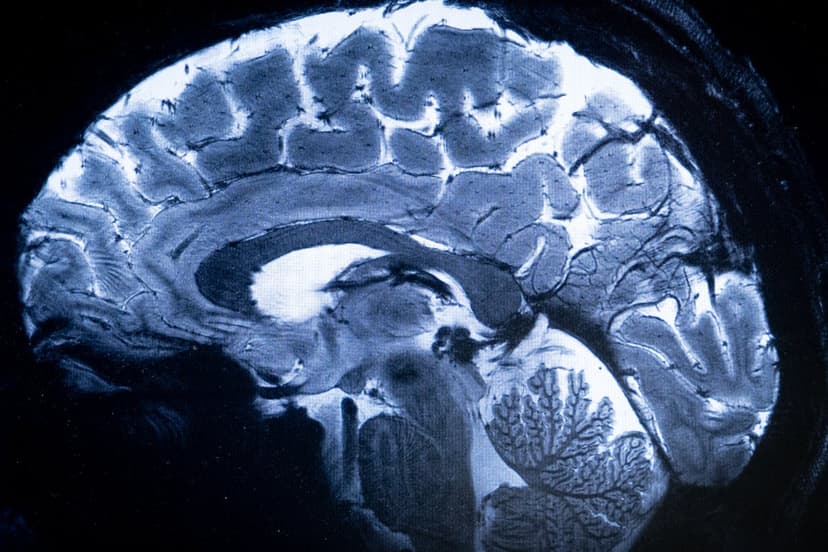
Scientists have detailed the biological chain reaction that solidifies significant memories while allowing mundane routines to fade. The amygdala, a crucial brain structure, acts as a gatekeeper during moments of intense emotion or danger. It initiates a cascade, starting with adrenaline release and followed by norepinephrine, which activates the amygdala.
This activated amygdala then directs the hippocampus to meticulously record sensory details of the event. It achieves this by sending electrical and protein-triggering signals that strengthen neural connections. This mechanism allows the hippocampus to consolidate sights, sounds, and sensations into a cohesive memory for future retrieval.
Experiments involving epilepsy patients with implanted brain electrodes provided direct evidence. Participants showed significantly better recall for images associated with a mild electrical pulse directed at the amygdala. This contrasts with routine habits, which rely on a different brain region, the striatum, and bypass this emotional memory system entirely.


