Home / Science / Tiny Moths Navigate by Stars on Epic Journeys
Tiny Moths Navigate by Stars on Epic Journeys
16 Jan
Summary
- Bogong moths migrate hundreds of miles using star patterns.
- They employ a dual-compass system of stars and magnetic fields.
- Aestivation in the Australian Alps helps them survive summer.
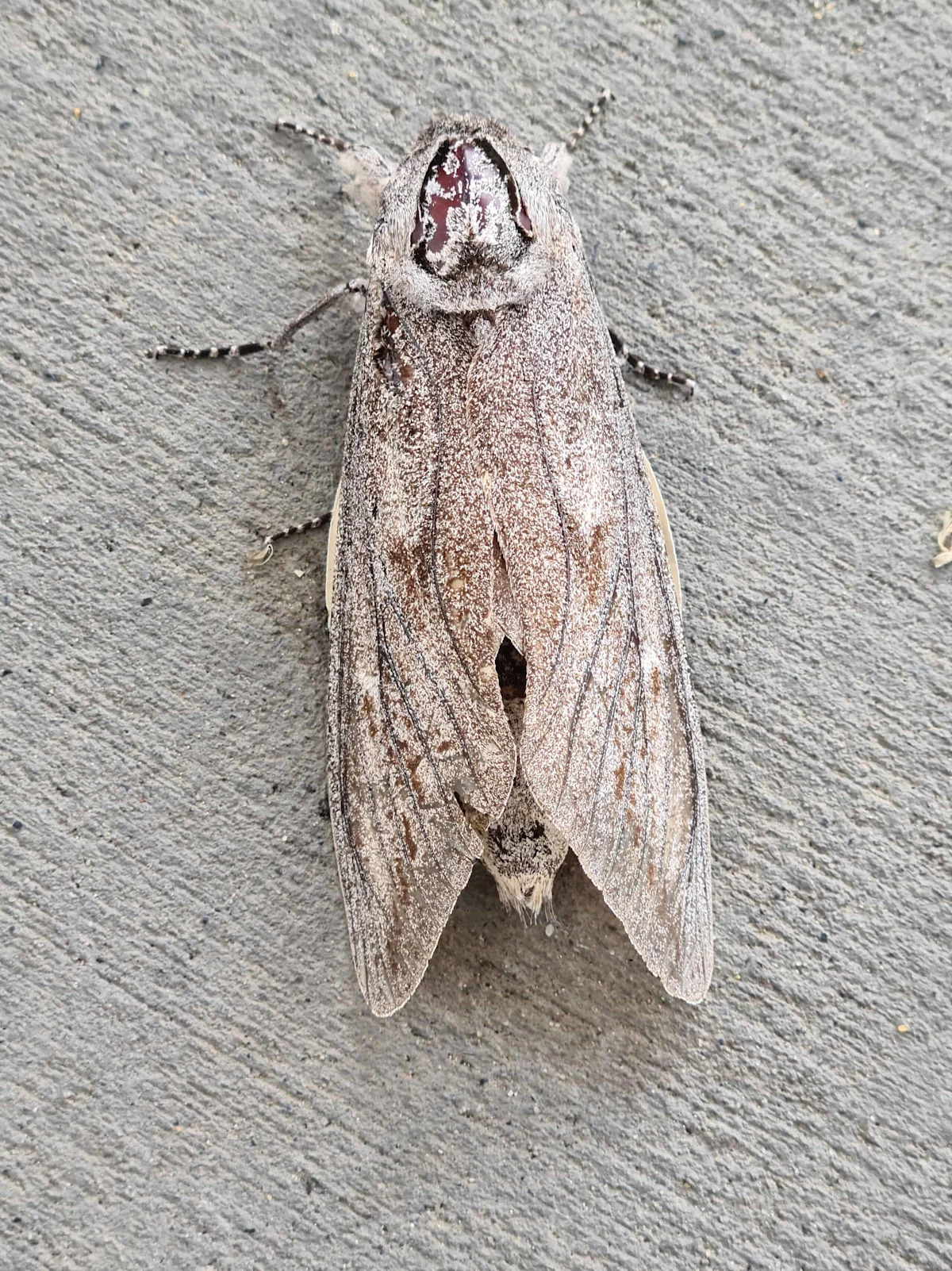
Bogong moths, small insects native to Australia, undertake impressive migrations spanning hundreds of miles. These moths are renowned for their unique navigational abilities, employing a dual-compass system that relies on celestial cues and geomagnetic fields. Their migratory paths lead them towards the Australian Alps, where they enter a period of aestivation to survive the summer heat.
Scientists have discovered that bogong moths navigate using star patterns, similar to how ancient humans used the stars for navigation. Their vision allows them to recognize constellations and the Milky Way, guiding them over long distances. This celestial navigation is complemented by their ability to sense Earth's magnetic field, acting as a backup system when stars are not visible.
These moths are primarily found in southern Australia, with larvae hatching in New South Wales, Queensland, and Victoria. Their summer migration is a critical survival strategy, allowing them to reach cooler, more suitable environments for dormancy. This intricate navigation showcases the astonishing adaptive capabilities of these small creatures.