Home / Science / Woody Cover Key to Bobwhite Quail Survival
Woody Cover Key to Bobwhite Quail Survival
23 Oct
Summary
- Dense woody cover doubles bobwhite quail survival rates.
- Quail choose roosts with thickets like briars and honeysuckle.
- Georgia's quail initiative focuses on private land habitat restoration.
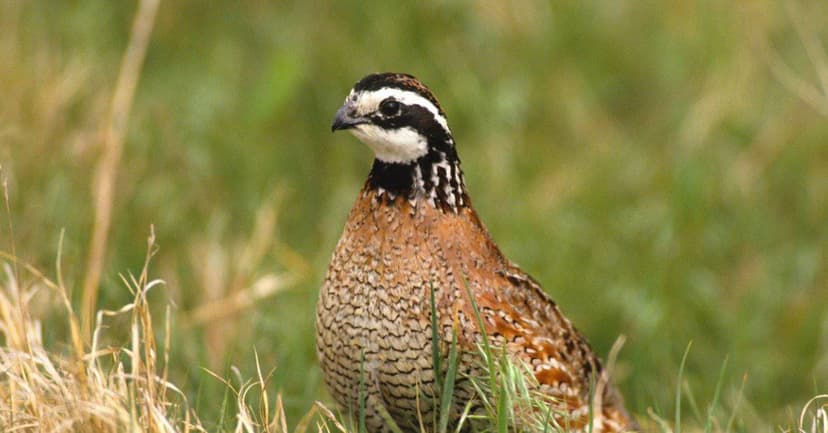
Bobwhite quail populations have significantly decreased since the 1960s, prompting research into their survival factors. A recent study tracked 169 radio-tagged quail in Indiana over two fall and winter seasons. Researchers found that quail preferring dense, woody roosting sites, such as blackberry thickets and overgrown fence rows, were approximately twice as likely to survive.
These preferred roosts, typically one to three meters tall, offer dense, impenetrable barriers crucial for evading predators like hawks and foxes. This preference for "nasty" woody cover appears consistent across bobwhite habitats. The findings highlight the importance of such ecosystems for numerous other species, including deer, rabbits, and wild turkeys.
In response to declining populations, Georgia launched the Bobwhite Quail Initiative in 1998, focusing on restoring early-growth quail habitats on private lands, which constitute 93% of the state's area. This initiative has involved financial incentives and guidance for landowners to create essential habitats like field borders and hedgerows, with successful outcomes in protected wildlife areas.


