Home / Science / Scientists revive extinct bluebuck antelope after 200 years
Scientists revive extinct bluebuck antelope after 200 years
30 Apr
Summary
- Colossal Biosciences aims to resurrect the bluebuck, extinct for 200 years.
- DNA from Swedish museum specimen used to reconstruct the bluebuck's genome.
- Roan antelope is being used as a genetic and cellular surrogate.
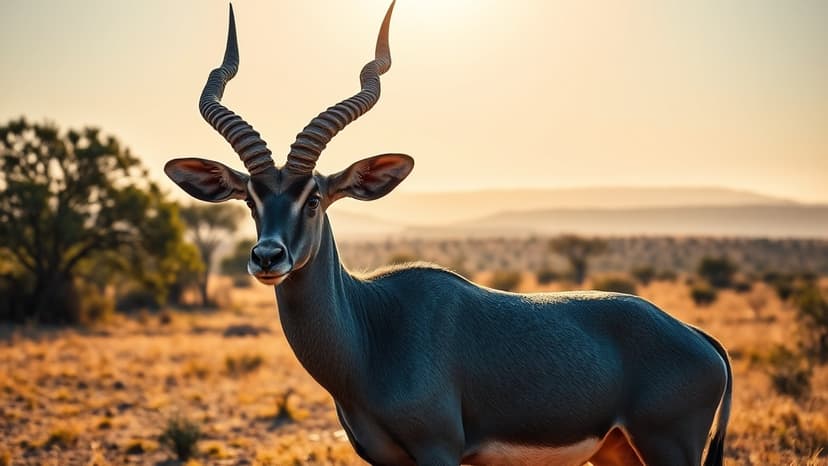
Colossal Biosciences has embarked on an ambitious project to resurrect the bluebuck, an African antelope that went extinct approximately 200 years ago. The Dallas-based company, known for its work on de-extinction, extracted DNA from a bluebuck specimen housed in the Swedish Museum of Natural History in 2024. Scientists have since worked to reconstruct the species' genome.
The bluebuck's closest genetic relatives have been identified as the sable and roan antelopes. Colossal is employing the roan antelope as a cellular surrogate, editing its DNA to approximate the bluebuck's appearance. The company anticipates the birth of a bluebuck specimen within the next few years, a process involving gene editing and in vitro fertilization using roan antelope oocytes.
This initiative represents Colossal's initial project involving mainland Africa and its first foray into bovids. The company views the resurrection of the bluebuck as a way to "reverse some of the sins of the past" and is leveraging breakthroughs in induced pluripotent stem cells and ovum pickup from roan antelopes. These advancements may also aid in the conservation of currently endangered antelope species.
While the scientific community acknowledges the project's interest, some experts question its conservation priority, suggesting that resources might be better allocated to preventing current extinctions. Concerns are also raised about the availability of a suitable ecosystem for the reintroduced bluebuck. Colossal plans to collaborate with conservationists and stakeholders to develop a reintroduction strategy within the bluebuck's historic range in Southern Africa.


