Home / Science / Blood Drying: A WWII Lifesaver Rediscovered
Blood Drying: A WWII Lifesaver Rediscovered
21 Dec
Summary
- Biochemists developed blood drying to preserve components for over a year.
- World War II accelerated the adoption of dried blood serum for transfusions.
- Blood drying techniques now preserve vaccines, hormones, and food.
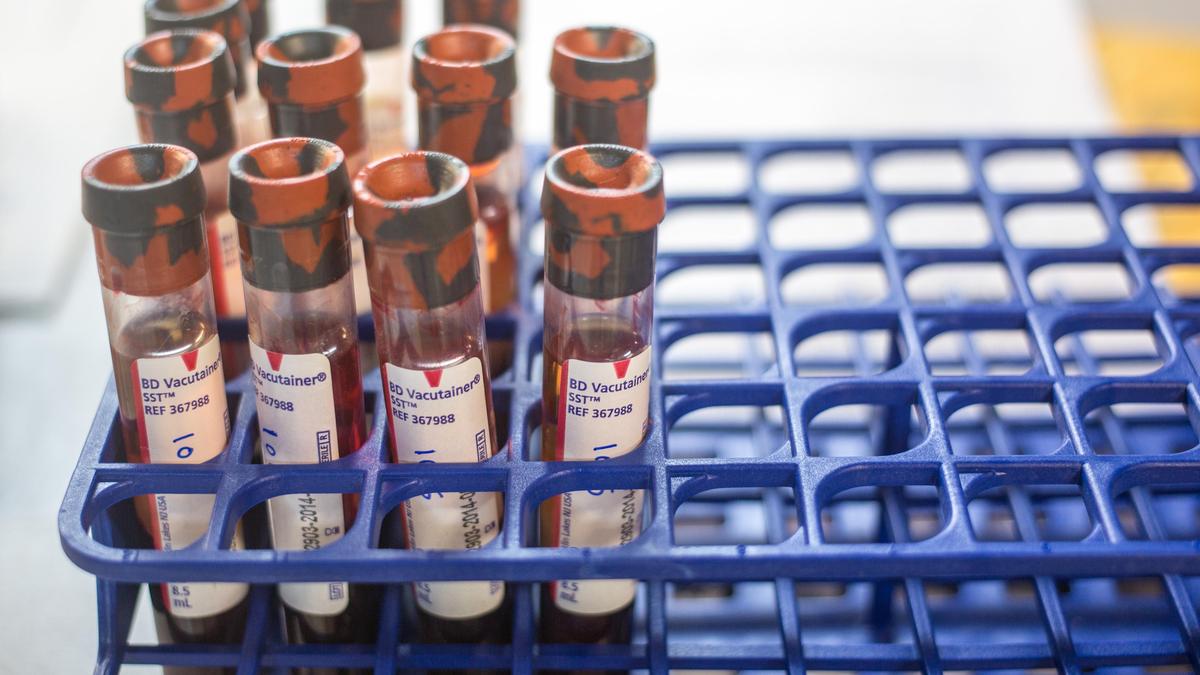
The ability to preserve blood components for extended periods owes much to the pioneering work of biochemists Stuart Mudd and Earl Flosdorf. In the 1930s, they developed a novel process for drying blood, minimizing protein degradation by removing nearly all water content through freezing and sublimation. This innovation proved critical during World War II, where the limitations of refrigerating whole blood necessitated a more stable alternative for treating casualties.
Initially a laboratory success, their dried blood serum method was only adopted widely due to wartime demand. The process allowed for transfusions in challenging field conditions, significantly improving outcomes for injured soldiers. Concurrently, British physician Ronald Greaves also developed similar blood-drying techniques, with his emphasis on centrifugal spin-freezing becoming an industry standard.
Beyond immediate medical applications, the principles of blood drying have had a lasting impact. These techniques have expanded to preserve a wide array of biological products, including vaccines, hormones, and antibiotics, and have even found applications in the food industry. The legacy of Mudd and Flosdorf's work continues to save lives and advance various scientific and industrial fields.