feedzop-word-mark-logo
searchLogin
Feedzop
homeFor YouIndiaIndia
You
bookmarksYour BookmarkshashtagYour Topics
Trending
Terms of UsePrivacy PolicyAboutJobsPartner With Us

© 2026 Advergame Technologies Pvt. Ltd. ("ATPL"). Gamezop ® & Quizzop ® are registered trademarks of ATPL.

Gamezop is a plug-and-play gaming platform that any app or website can integrate to bring casual gaming for its users. Gamezop also operates Quizzop, a quizzing platform, that digital products can add as a trivia section.

Over 5,000 products from more than 70 countries have integrated Gamezop and Quizzop. These include Amazon, Samsung Internet, Snap, Tata Play, AccuWeather, Paytm, Gulf News, and Branch.

Games and trivia increase user engagement significantly within all kinds of apps and websites, besides opening a new stream of advertising revenue. Gamezop and Quizzop take 30 minutes to integrate and can be used for free: both by the products integrating them and end users

Increase ad revenue and engagement on your app / website with games, quizzes, astrology, and cricket content. Visit: business.gamezop.com

Property Code: 5571

Home / Science / Dinosaur Extinction Survivors: Birds' Epic Evolutionary Journey

Dinosaur Extinction Survivors: Birds' Epic Evolutionary Journey

31 Jan

•

Summary

  • Small, flying dinosaurs survived an asteroid impact that wiped out most species.
  • Key adaptations like small size and rapid reproduction aided avian survival.
  • Modern birds trace ancestry to three major lineages that endured extinction.
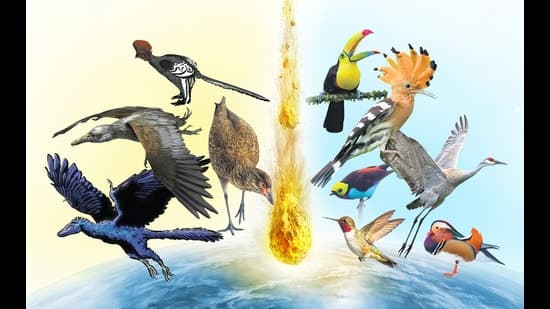
Dinosaur Extinction Survivors: Birds' Epic Evolutionary Journey

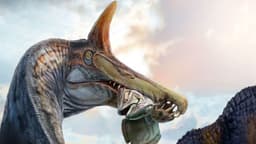
The cataclysmic asteroid impact that struck present-day Mexico, an event estimated to be the loudest sound since life began, led to the extinction of most dinosaurs. However, small, bird-like dinosaurs, already adapted for flight and requiring less sustenance, managed to survive the ensuing environmental collapse.

These survivors, benefiting from rapid reproduction and the ability to fly in search of scarce food, were the ancestors of all modern birds. They can be traced back to three primary lineages: Galloanserae, Palaeognathae, and Neoaves, which diversified significantly over millions of years.

Further evolutionary developments, such as the emergence of songbirds in Australia approximately 50 million years ago and adaptations for high-altitude living, showcase ongoing avian evolution. Birds continue to adapt, with examples like the dark-eyed junco in the US evolving shorter beaks for urban environments, demonstrating their remarkable capacity for survival.

trending

Nvidia share price drops sharply

trending

Anthropic AI triggers IT selloff

trending

UGC NET December Result Soon

trending

Nasdaq considers 'fast entry' rule

trending

GTA 6 release confirmed

trending

India, Afghanistan U19 semifinal

trending

Raducanu recovers, wins quarter-final

trending

India U19 World Cup final

trending

Man City vs Newcastle tonight

Disclaimer: This story has been auto-aggregated and auto-summarised by a computer program. This story has not been edited or created by the Feedzop team.
Small, bird-like dinosaurs survived the asteroid impact due to their smaller size, lower energy needs, and existing adaptations for flight, which allowed them to find sustenance in a blighted world.
All modern birds can be traced to three major lineages: Galloanserae (ancestor to chickens and ducks), Palaeognathae (ancestor to emus and ostriches), and Neoaves (ancestor to most other birds).
Birds are demonstrating ongoing adaptation, such as evolving beak sizes to suit new food sources in urban environments and developing insulation for high-altitude living.

Read more news on

Scienceside-arrow

You may also like

Dino Diet: Baby Brachiosaurs Were Prey

30 Jan • 20 reads

article image

Triceratops Once Roamed Europe, Fossils Reveal

10 Jan • 132 reads

article image

Dinosaur Footprints Found on Giant Alpine Rock Face

5 Jan • 219 reads

article image

Dinosaur Footprints: Italy's Triassic Treasure Unearthed

17 Dec, 2025 • 227 reads

article image

Neanderthals Mastered Fire 400,000 Years Ago

10 Dec, 2025 • 245 reads

article image