Home / Science / Nature's Pharmacy: How Hives Fight Germs
Nature's Pharmacy: How Hives Fight Germs
21 Oct
Summary
- Hive materials like honey and propolis offer germ-fighting protection.
- A colony's location influences its ability to defend against microbes.
- Specific microbes inhabit distinct areas within the bee hive.
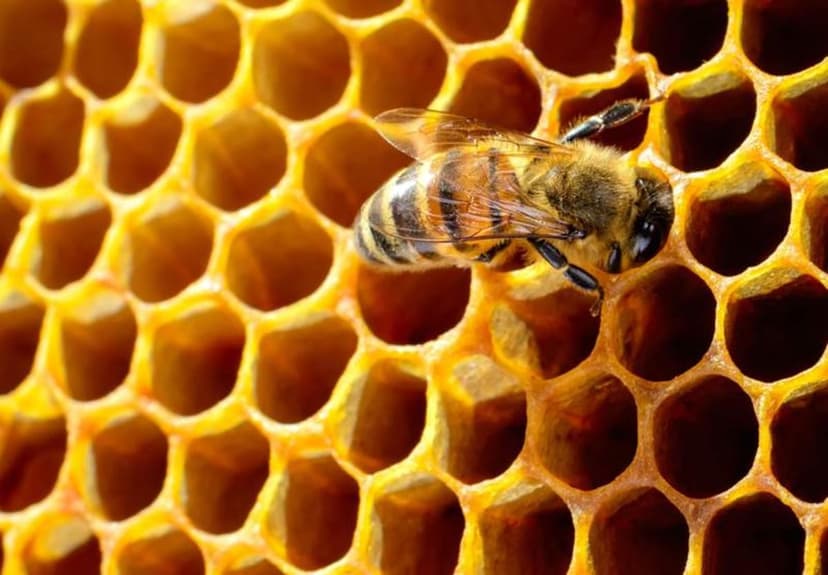
Beehives function as sophisticated immune systems, leveraging materials like honey, wax, and propolis to fight off germs. This concept, known as social immunity, supplements individual bee defenses and is crucial for colony health. Researchers discovered that the geographic location of a hive plays a significant role, explaining a substantial portion of the variation in its germ-fighting activity.
This finding suggests that the plants surrounding a hive supply essential chemical defenses, highlighting the importance of healthy ecosystems for bee well-being. The study also revealed an intriguing pattern of microbial distribution within the hive, with specific bacteria occupying particular areas like stored pollen or the nursery comb. This spatial separation appeared more defined in healthy colonies.
Experiments showed honey and propolis as the most potent germ-fighters, effective against both bacteria and fungi. While wax offered the weakest protection, other materials targeted specific hive-associated diseases. The research, published in ISME Communications, underscores how diverse hive materials provide layered defenses, potentially offering a backup system against microbial threats.


