Home / Science / Genetics Reveal Bed Bugs Thrive Across All Neighborhoods
Genetics Reveal Bed Bugs Thrive Across All Neighborhoods
11 Nov
Summary
- Bed bug colonies persist across affluent and impoverished areas.
- Genetic research shows spread through human movement, not proximity.
- Insects are highly resistant to common insecticides and hard to detect.
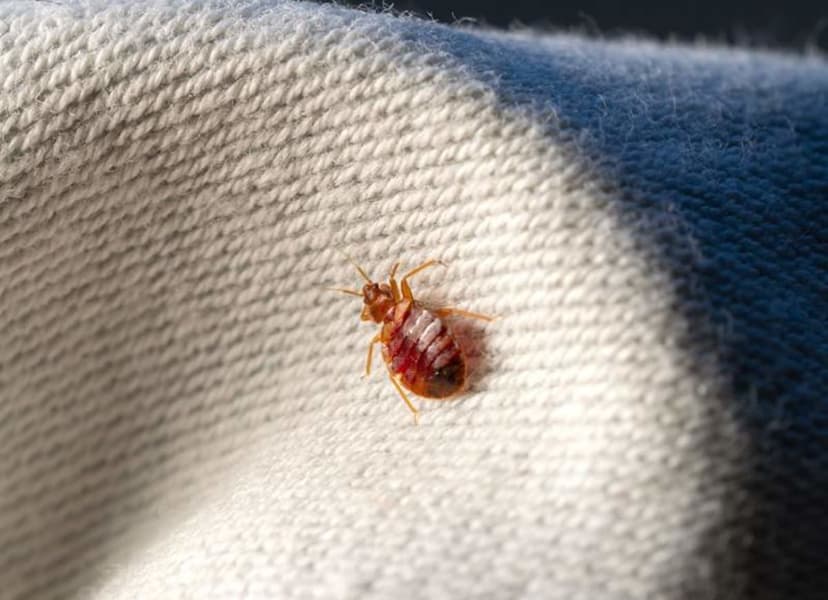
A persistent myth suggests that bed bugs are exclusively a concern for low-income communities, a notion challenged by recent genetic research. The study, led by scientists from Los Alamos National Laboratory and Virginia Tech, analyzed bed bug specimens collected between 2018 and 2022 across Oklahoma, Illinois, and Ohio. This research is the first to integrate population genomics with social vulnerability data to map bed bug distribution in American cities.
The genetic sequencing revealed distinct bed bug populations within each state, with relationships between infestations driven by human movement rather than simple geographic proximity. These "reservoir populations," which sustain and spread infestations, were found across the entire socioeconomic spectrum, appearing in both affluent and disadvantaged neighborhoods, and in various housing types.
Further genetic analysis indicated that bed bug populations are highly inbred with small effective population sizes, suggesting that even a few individuals can establish a successful colony. Their ability to survive treatments is also enhanced by increasing resistance to common insecticides, particularly pyrethroids. Additionally, their stealthy nature and varied reactions among people make early detection difficult, allowing infestations to become well-established and spread.
This understanding shifts the perspective from targeting specific neighborhoods to advocating for community-wide control strategies. Researchers suggest coordinated efforts, including simultaneous inspections and treatments of connected units, could be more effective. Policy examples, such as Chicago's landlord reporting requirements, hint at structured approaches that might influence how bed bug populations spread and are managed.


