feedzop-word-mark-logo
searchLogin
Feedzop
homeFor YouIndiaIndia
You
bookmarksYour BookmarkshashtagYour Topics
Trending
trending

Heavy rain alert issued

trending

2026 MG Hector facelift launched

trending

Mahindra XUV 7XO pre-booking

trending

HSBC buyout Hang Seng proposal

trending

WBPSC Clerkship Mains admit card

trending

Snapchat woos Indian advertisers

trending

Avengers Doomsday trailer leaked online

trending

Vedanta shares surge after demerger

trending

Deepesh Devendran wrecks Pakistan U19

Terms of UsePrivacy PolicyAboutJobsPartner With Us

© 2025 Advergame Technologies Pvt. Ltd. ("ATPL"). Gamezop ® & Quizzop ® are registered trademarks of ATPL.

Gamezop is a plug-and-play gaming platform that any app or website can integrate to bring casual gaming for its users. Gamezop also operates Quizzop, a quizzing platform, that digital products can add as a trivia section.

Over 5,000 products from more than 70 countries have integrated Gamezop and Quizzop. These include Amazon, Samsung Internet, Snap, Tata Play, AccuWeather, Paytm, Gulf News, and Branch.

Games and trivia increase user engagement significantly within all kinds of apps and websites, besides opening a new stream of advertising revenue. Gamezop and Quizzop take 30 minutes to integrate and can be used for free: both by the products integrating them and end users

Increase ad revenue and engagement on your app / website with games, quizzes, astrology, and cricket content. Visit: business.gamezop.com

Property Code: 5571

Home / Science / Bears Go Docile: Human Impact on Evolution

Bears Go Docile: Human Impact on Evolution

16 Dec

•

Summary

  • Marsican brown bears evolved smaller, less aggressive traits over centuries.
  • Human culling likely favored docile genes in isolated bear populations.
  • Conservationists caution against introducing aggressive bears to dwindling gene pool.
Bears Go Docile: Human Impact on Evolution

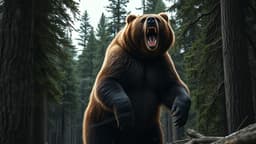
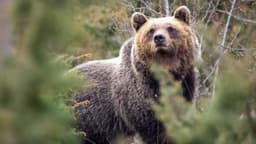
Brown bears inhabiting central Italy have undergone evolutionary changes, becoming less aggressive due to sustained human influence. Isolated from other European brown bear populations since the Roman era, these Marsican bears exhibit smaller size and a calmer disposition, likely driven by interactions with encroaching human settlements and agriculture.

Scientific investigation, involving gene mapping of Marsican bears and comparison with Slovakian and American brown bears, revealed a distinct selection for reduced aggression. Researchers posit that historical human culling of more aggressive individuals inadvertently fostered a more docile lineage. This trait is considered vital for the survival of this critically endangered subspecies.

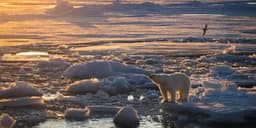
With only about 60 Marsican brown bears left, conservationists emphasize preserving their unique genetic makeup. Introducing bears with more aggressive temperaments is cautioned against, as it could dilute the gene pool and undermine the adaptations that help them coexist with humans. Similar human-driven evolutionary shifts have been observed in polar bears and codfish.

Disclaimer: This story has been auto-aggregated and auto-summarised by a computer program. This story has not been edited or created by the Feedzop team.
Marsican brown bears have evolved less aggressive traits over centuries due to isolation and selective pressure from human interactions, including culling of more aggressive individuals.
Marsican brown bears are critically endangered, with only around 60 individuals remaining in the wild in central Italy.
Introducing more aggressive brown bears is not recommended as it risks diluting the unique gene pool of the less aggressive Marsican bears.

Read more news on

Scienceside-arrow

You may also like

Grizzly Bear's Hilarious Itch Relief in Yellowstone

13 Dec • 22 reads

article image

Decade-Old Trail Camera Found Working in Bear Den

12 Dec • 32 reads

article image

India's Wildlife Roars Back: 5 Species Saved!

8 Dec • 60 reads

article image

Deer Mice Out-Monogamy Humans: Study

10 Dec • 49 reads

article image

Red Squirrels Thrive in Highlands After Decade-Long Rewilding

5 Dec • 66 reads

article image