
Home / Science / Baby Teeth Reveal Early Life Metal Exposure Risks
Baby Teeth Reveal Early Life Metal Exposure Risks
29 Apr
Summary
- Baby teeth offer a timeline of metal exposures from womb to infancy.
- Exposure timing to metals, not just amount, impacts teen behavior.
- Early metal exposure linked to brain changes and hyperactivity.
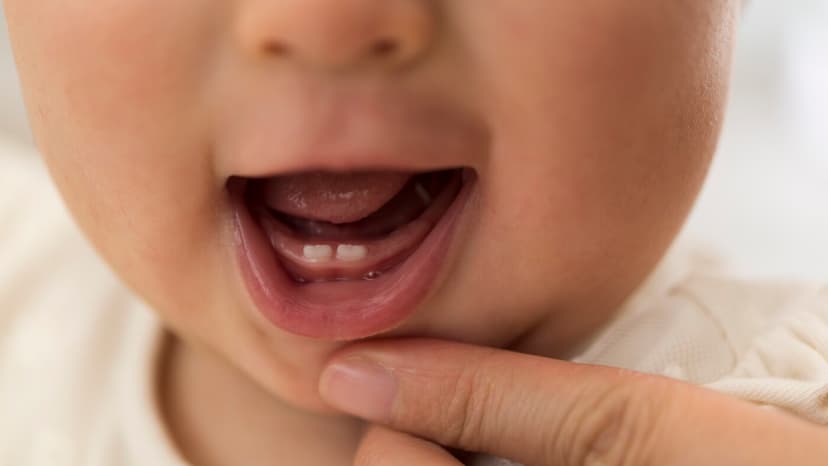
Baby teeth offer a unique window into early-life environmental exposures, according to recent research. These deciduous teeth form in layers, similar to tree rings, incorporating metals present in the environment during development from the womb onwards. Scientists utilized lasers to analyze the baby teeth of 500 children, establishing a precise timeline of neurotoxic metal exposure, even dating back to before birth.
The study, published in Science Advances, correlated this exposure timeline with behavioral assessments and MRI brain scans of the children in adolescence. Researchers discovered that the timing of exposure to a mixture of common environmental metals, particularly between 6 to 9 months of age, was significantly associated with negative behavioral changes in adolescents, such as hyperactivity and inattention. This period is critical as infant brains undergo rapid growth and development.
Furthermore, the findings revealed links between early metal exposure and detrimental effects on brain structure, including reduced overall brain volume and altered connectivity in white matter. These insights highlight the cumulative effect and critical timing of metal exposures during vulnerable developmental stages, emphasizing the need for regulatory action to minimize such risks for children's long-term health.
