

Home / Science / Lab-Grown Wombs Peek Inside Early Human Development
Lab-Grown Wombs Peek Inside Early Human Development
23 Dec, 2025
Summary
- Scientists created artificial wombs to observe human embryo implantation.
- This research aims to understand miscarriages and infertility causes.
- The technology raises significant ethical concerns about future development.
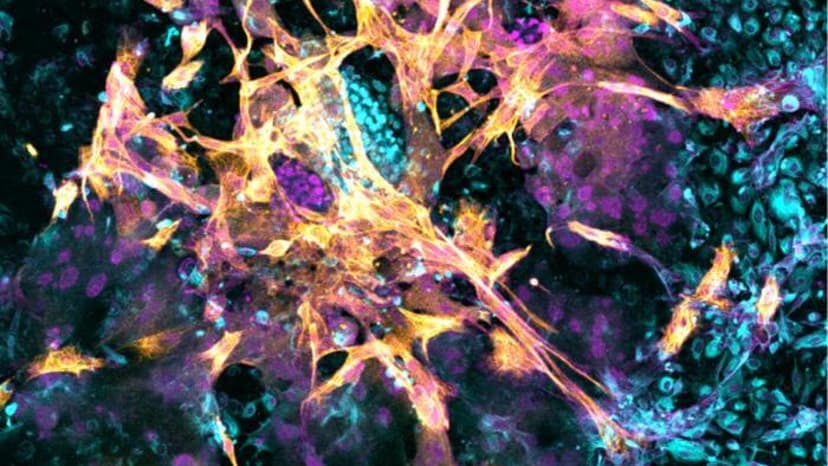
Researchers have achieved an unprecedented view into human embryo implantation by cultivating primitive, womb-like environments in laboratories. These artificial wombs, created using cells from uterine linings, allow scientists to observe the critical process of an embryo burrowing into the uterine wall, a phenomenon previously considered a "black box" due to its inaccessibility within the human body.
This groundbreaking work, detailed in recent scientific publications, seeks to uncover vital information about early human development, offering potential new avenues for understanding and treating miscarriages and infertility. The "womb on a chip" technology has already provided insights into molecular interactions during implantation and even facilitated the identification of drugs that might prevent miscarriages.
While the scientific community expresses excitement over the potential for new discoveries, the research simultaneously prompts profound ethical debates. Concerns are raised about the destruction of embryos for research and the "slippery slope" towards advanced ectogenesis, where embryos might develop significantly or even completely in lab-grown environments, potentially leading to unsettling future applications.
