

Home / Science / Artemis II: Race to Moon Ignites New Space Era
Artemis II: Race to Moon Ignites New Space Era
3 Apr
Summary
- Four astronauts embark on a lunar flyby mission.
- Geopolitical rivalry fuels US and China's Moon ambitions.
- Future lunar bases may foster a new space economy.
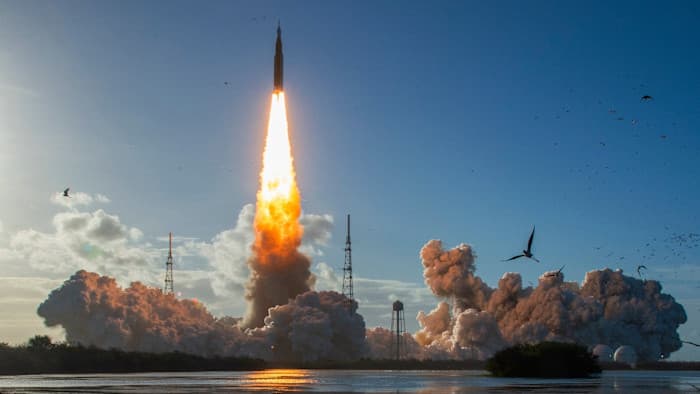
Four astronauts are currently embarking on a high-speed journey around the Moon, aiming to circle its far side. This Artemis II mission is unfolding within a landscape of significant geopolitical competition, particularly between the United States and China, as both nations vie for lunar supremacy.
While past lunar missions like Apollo captivated the world, Artemis II aims to leverage modern technology to broadcast real-time, high-quality footage to a global audience. Future Artemis missions, such as Artemis IV planned for 2028, envision establishing lunar bases for extended human stays and even tourism by the 2030s.
This development is expected to spur the creation of a rudimentary lunar economy, encompassing sectors like construction, mining, and hospitality. However, the existing 1967 Outer Space Treaty's prohibition on territorial claims necessitates new international regulations to govern resource extraction and construction activities, preventing aggressive competition.
Despite the competitive drive, NASA is embracing international collaboration, with European, Japanese, and Canadian partners playing crucial roles in the Artemis program. Planetary scientists anticipate significant research gains from future expeditions, studying the Moon's pristine record of the Solar System's history and utilizing the far side for astronomical observations.
