

Home / Science / Artemis II: A New Moon Mission Amidst Global Strife
Artemis II: A New Moon Mission Amidst Global Strife
2 Apr
Summary
- Artemis II launch viewership significantly lower than Apollo 11's global reach.
- Public interest in returning to the Moon remains low despite mission.
- NASA's Moon program now driven by competition with China.
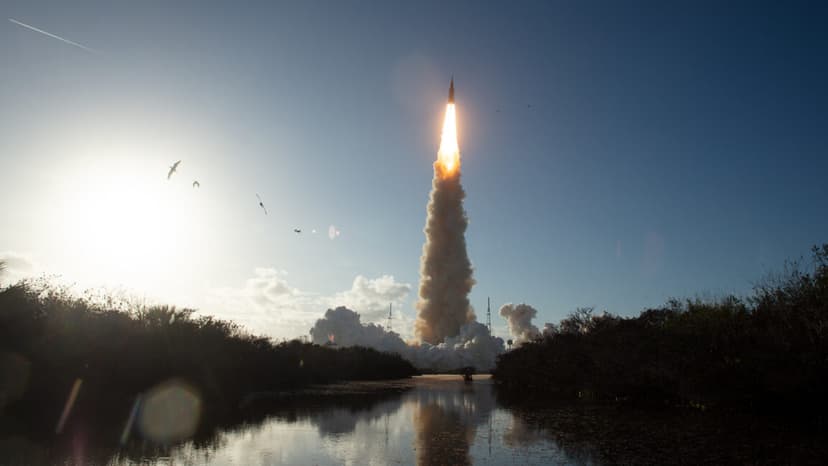
The Artemis II mission, carrying four astronauts to lunar orbit, launched on April 2, 2026, at 18:40:41 UTC, during a period of global unrest that draws parallels to 1968. Unlike the Apollo program, which captivated an estimated quarter of the world's population, Artemis II has garnered significantly less public attention. Preliminary estimates suggest around 16 million viewers for NASA's livestream, a fraction of the Apollo era's global broadcast.
NASA faces the challenge of public apathy, with many questioning the need for a return to the Moon after decades. The program's current impetus stems from the growing competition with China for space supremacy. This has galvanized political support, leading to streamlined efforts on the SLS rocket and Orion spacecraft.
The success of Artemis hinges on private and international partnerships, with companies like SpaceX investing heavily. These collaborations aim to reduce the cost of lunar access, enabling a long-term presence. Despite potential public disinterest, NASA and its partners are aligned on lunar exploration goals, focusing on execution to achieve a sustainable lunar future.
