

Home / Science / Solar Flares Threaten Artemis II Moon Mission
Solar Flares Threaten Artemis II Moon Mission
1 Apr
Summary
- NASA monitors solar flares for potential Artemis II launch delays.
- Unusual solar activity increases risk of radiation storms.
- Artemis II crew can use a radiation shelter if needed.
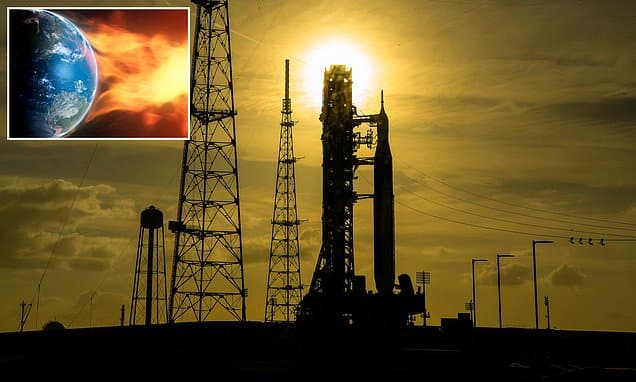
NASA is actively monitoring the sun for solar flares that could impact the upcoming Artemis II moon mission. Unusually high solar activity in recent months has led to concerns about extreme radiation potentially causing launch delays.
A solar flare is a sudden burst of radiation from the sun's surface, often accompanied by coronal mass ejections. These events can damage power grids, satellites, and communication systems on Earth. For spacecraft, they create dangerous radiation storms that could affect onboard technology and the crew.
While a recent strong flare had minimal impact, NASA warns there's a ten percent chance of an X-class flare causing radiation levels to exceed safety limits for an on-time launch. Even if the mission proceeds, the four-person crew will be at risk once they leave Earth's protective magnetic field.
The Orion spacecraft is equipped with built-in radiation shielding. If a major solar storm is detected during the mission, the crew can create a temporary 'storm shelter' within the capsule using stored equipment. This safety drill is a planned objective for the mission.

