


Home / Science / Family Fears Shadow Moon Mission's Glory
Family Fears Shadow Moon Mission's Glory
6 Apr
Summary
- Artemis II crew faced unprecedented risks on their lunar mission.
- Family support evolved from informal bonds to formal NASA programs.
- Deep space travel presents new communication challenges for families.
The Artemis II mission, the first human journey to the moon in over fifty years, carried significant risks due to its novel vehicle and extended absence from Earth.
Astronaut Reid Wiseman shared that commanding the mission felt 'heavy,' particularly as a sole parent, highlighting the profound personal toll. The stress on astronaut families begins long before launch, with extensive training and uncertainty amplifying anxieties.
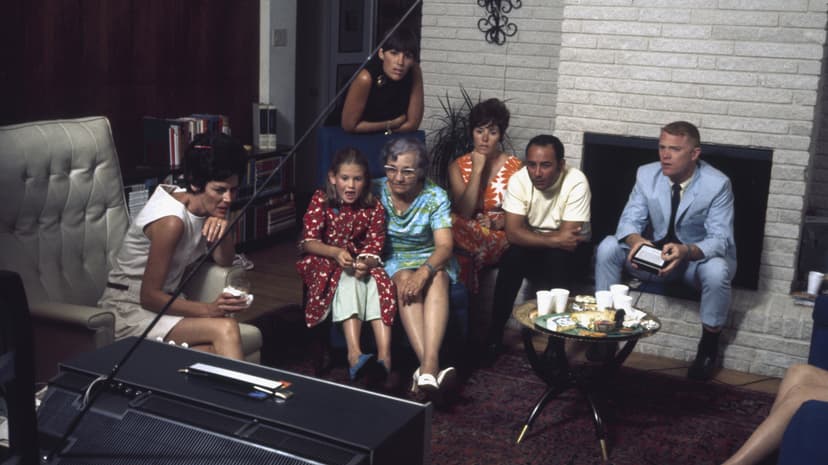
Support for these families has evolved dramatically. Early NASA missions offered little formal assistance, relying on mutual support among families. Following the tragic Apollo 1 disaster, more structured psychological, medical, and financial resources were developed.
For Artemis II and future deep space missions, new challenges arise, notably communication delays. Unlike the ISS, moon missions have intermittent contact, and a period exists when astronauts are out of reach behind the moon. NASA has prepared families for these communication gaps.
