
Home / Science / Arctic Fox: Master of Survival
Arctic Fox: Master of Survival
5 Jun
Summary
- Arctic foxes change coat color for camouflage.
- They use a 'mousing' technique to hunt prey under snow.
- Dens can be over 100 years old with many entrances.
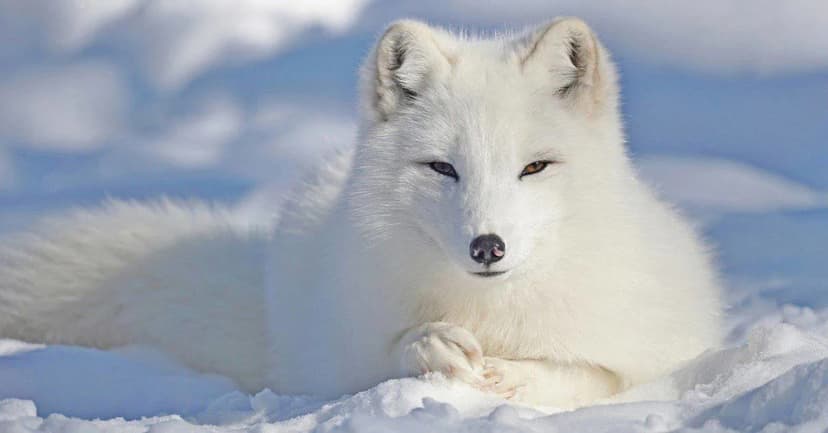
The Arctic fox, known for its resilience, inhabits the northernmost regions of the globe, including parts of Europe, Asia, and North America. Its survival is aided by a remarkable adaptation: its fur provides insulation against extreme cold, and its coat color changes seasonally from white to brown or gray for camouflage. These foxes are skilled hunters, particularly of lemmings, and employ a distinctive 'mousing' technique to pounce on prey hidden under snow. They also opportunistically scavenge, sometimes following polar bears. Arctic foxes live in large, generational underground dens, with some having been used for over 100 years and featuring numerous entrances. They typically form monogamous pairs and raise litters of 5 to 9 kits, with some litters exceeding a dozen. These kits become independent hunters around 16 weeks old. While wild foxes usually live 3 to 6 years, some can survive over a decade. The species faces increasing competition from red foxes as the climate changes.
