Home / Science / Antarctic Cold Hides Protein Secrets for Medicine
Antarctic Cold Hides Protein Secrets for Medicine
16 Jan
Summary
- Antarctic ocean life thrives due to cold, supporting large species.
- Warming oceans disrupt slow reproductive cycles of Antarctic species.
- Antarctic sub-zero biology may hold keys to diseases like Alzheimer's.
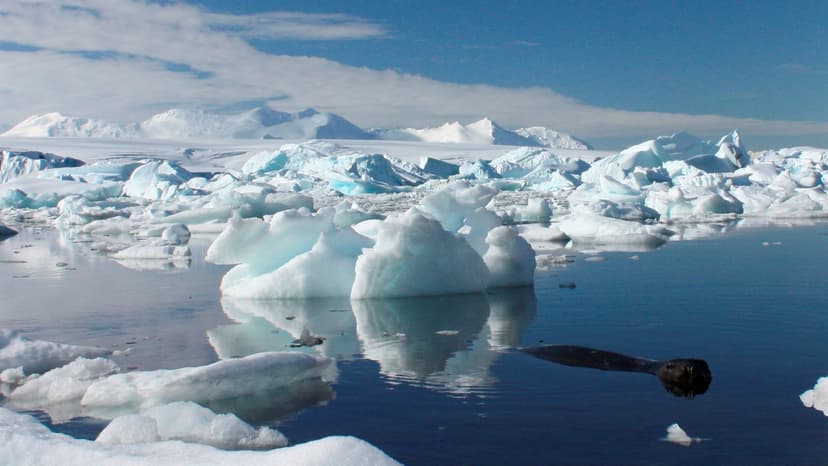
In the frigid Antarctic waters near the Rothera research station, marine biologists are conducting vital research into sub-zero ocean life. This unique ecosystem supports species exhibiting 'polar gigantism,' growing much larger due to the cold, oxygen-rich environment. However, this slow-growing, slow-reproducing biology is highly vulnerable to the Antarctic's rapid warming, threatening many species as their life cycles are disrupted by even minor temperature increases.
The British Antarctic Survey's dive team has been surveying the same seabed sites for nearly 30 years, providing crucial data on ecosystem changes. Their research aims to understand how marine life copes with climate change and to explore the cellular and molecular mechanisms that allow life to exist at sub-zero temperatures. A key focus is how proteins in these animals avoid sticking together, a phenomenon that could offer insights into treating human diseases like Alzheimer's and CJD.
Amidst the climate concerns, there are signs of recovery, with whale populations, particularly humpbacks, making a strong comeback in the bay following the ban on whaling 40 years ago. Receding sea ice has also allowed these marine mammals to return. Despite these optimistic signs, the rapid pace of Antarctic warming presents a significant challenge for its slow-adapting cold-water biology.